

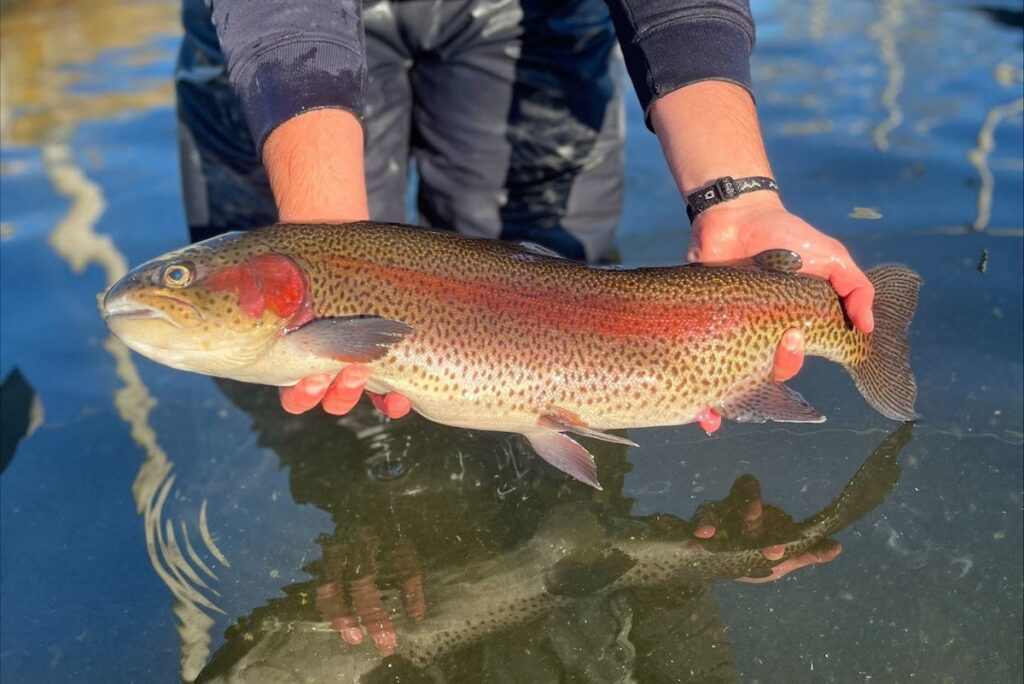
Pennsylvania’s decision to bump the statewide trout minimum from seven to nine inches starting in 2027 is more than a fisheries-management tweak; it’s a textbook case of how incremental regulation can quietly reshape the way citizens interact with the outdoors. For four decades, a seven-inch trout was the legal threshold that turned a morning on a mountain brook into a legal harvest. Now, thousands of otherwise “keeper” fish will have to be released, effectively shrinking the daily creel for the average angler without ever touching the statutory bag limit. The Pennsylvania Fish and Boat Commission frames the change as conservation, yet the move also concentrates harvest pressure on fewer, larger fish—exactly the cohort that genetics and angling pressure already cull most heavily. In short, the state is engineering a future in which the typical trout outing yields fewer fillets and more photographs, a subtle recalibration of the traditional harvest ethic.
For the 2A community, the lesson is portable. The same logic that justifies “protecting trout until they reach nine inches” can be—and often is—repurposed to justify waiting periods, capacity restrictions, or caliber bans “until the data improve.” Both domains rely on the claim that temporary inconvenience will produce permanent abundance, and both tend to expand once the precedent is set. Sportsmen who shrug at the trout rule as “just fishing” risk normalizing the regulatory creep that elsewhere targets the gun safe. Conversely, when anglers push back with creel studies, economic-impact surveys, and boots-on-the-ground testimony, they demonstrate the exact model of grassroots scrutiny that preserves other rights. The nine-inch trout may look like a minor inconvenience, but it is also an early-warning sensor: if sportsmen cannot defend the principle that a lawfully targeted wild resource may be taken at a reasonable size, they will find it harder to defend the principle that a lawfully manufactured firearm may be kept at a reasonable configuration.


