

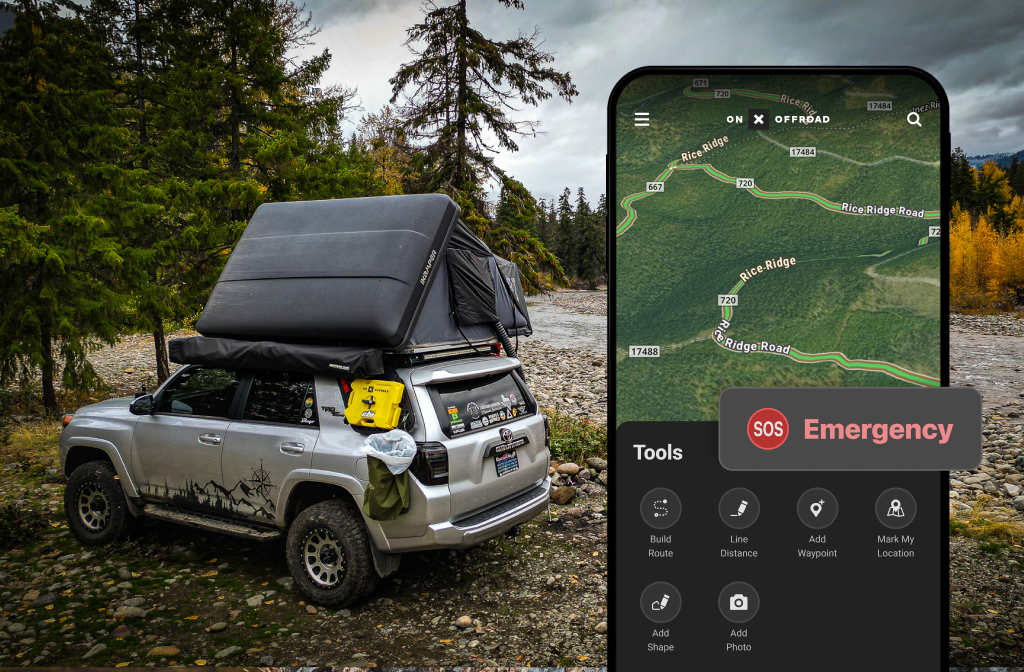
onX’s new SOS feature isn’t just another app update—it’s a direct response to the reality that serious backcountry users, many of them hunters and shooters, routinely operate beyond the reach of cell towers. By partnering with Overwatch x Rescue, onX is giving users a satellite or cellular lifeline to a 24/7 professional response team that can coordinate everything from extraction to medical hand-off, and the service even covers the cost of the rescue. For the 2A community that values self-reliance yet still recognizes the value of smart preparation, this is a practical evolution: it keeps the individual in control of their own safety plan while acknowledging that even the most capable outdoorsman can benefit from a professional safety net when things go sideways.
What makes the rollout especially relevant is how it dovetails with the growing number of states that have expanded permitless carry and loosened restrictions on long-range backcountry travel. Hunters who now carry suppressed rifles or pistols for predator control, or who venture farther into public land with modern optics and precision rifles, are spending more time in areas where traditional 911 simply won’t work. onX SOS quietly addresses that gap without requiring users to buy yet another dedicated satellite device; the same mapping app already on their phone becomes the emergency trigger. That integration lowers the barrier to responsible preparedness and reinforces the idea that exercising Second Amendment rights in remote terrain doesn’t have to mean gambling with response times.
The broader implication is cultural as much as technological. By embedding professional rescue coordination inside a platform millions of gun owners already trust for property boundaries and game regulations, onX is normalizing the notion that freedom in the field includes both the right to bear arms and the foresight to summon help when needed. It’s a quiet but powerful reminder that the most effective advocates for outdoor liberty are those who pair their firearms with the tools and training that keep them—and the rescuers who might one day come for them—safe and legal.


