

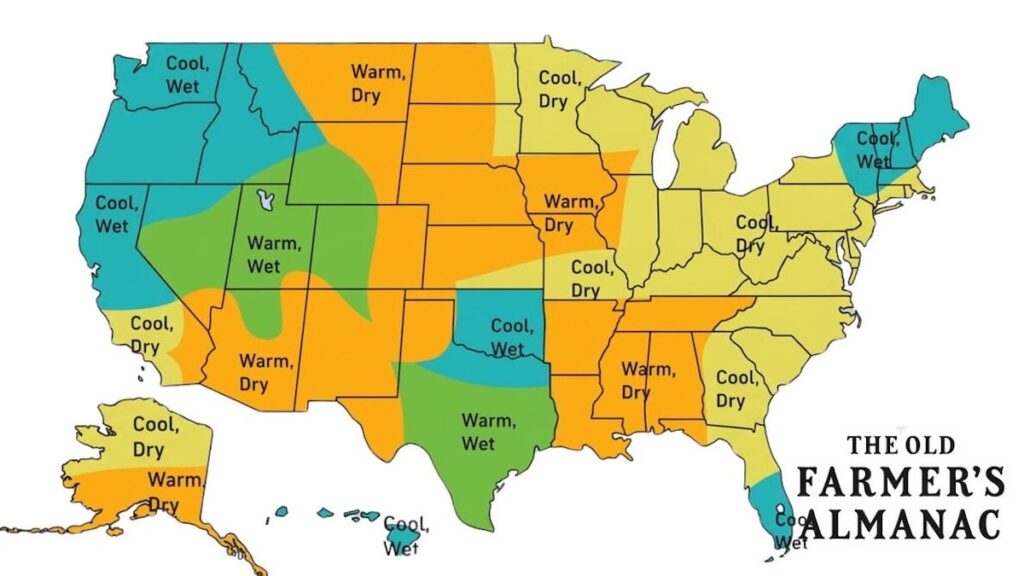
The Old Farmer’s Almanac’s call for a cooler, drier autumn across much of the country is more than a meteorological footnote—it’s a tactical heads-up for hunters and shooters who live by the calendar. When daytime highs drop earlier than usual, deer movement patterns shift, often pushing whitetails into feeding zones during legal shooting light rather than the dead of night. That translates into more ethical harvest opportunities, fewer excuses for warm-weather gear malfunctions, and a longer window before snowpack complicates access to back-country ranges. For the 2A community, it also means an earlier reminder to inspect cold-weather optics, cold-bore zero rifles, and layered clothing systems that keep both trigger finger and situational awareness sharp.
Beyond the tree-stand, the forecast quietly underscores why consistent access to public and private land matters. Cooler, drier conditions can extend the upland-bird and small-game seasons in regions that might otherwise see early closures from mud or early snow, giving new and seasoned shooters alike more range time without fighting the elements. It also spotlights the value of community-supported wildlife management: healthy herds and flush upland populations are the direct result of science-based harvest quotas and habitat dollars that organizations like the NRA, Safari Club, and local sportsmen’s groups help secure. When the almanac’s cooler trend collides with stable game numbers, the argument for preserving these access rights writes itself.
Finally, the forecast is a nudge to diversify your skill set before the first frost. If early-season cool snaps materialize, suppressed rimfire walks for squirrels or rimfire steel matches become more comfortable proving grounds for new shooters who might otherwise wait for spring. That progression—from range time to field time—keeps the pipeline of future gun owners flowing and demonstrates, yet again, that America’s outdoor traditions and the right to keep and bear arms are inseparable parts of the same ecosystem.


