

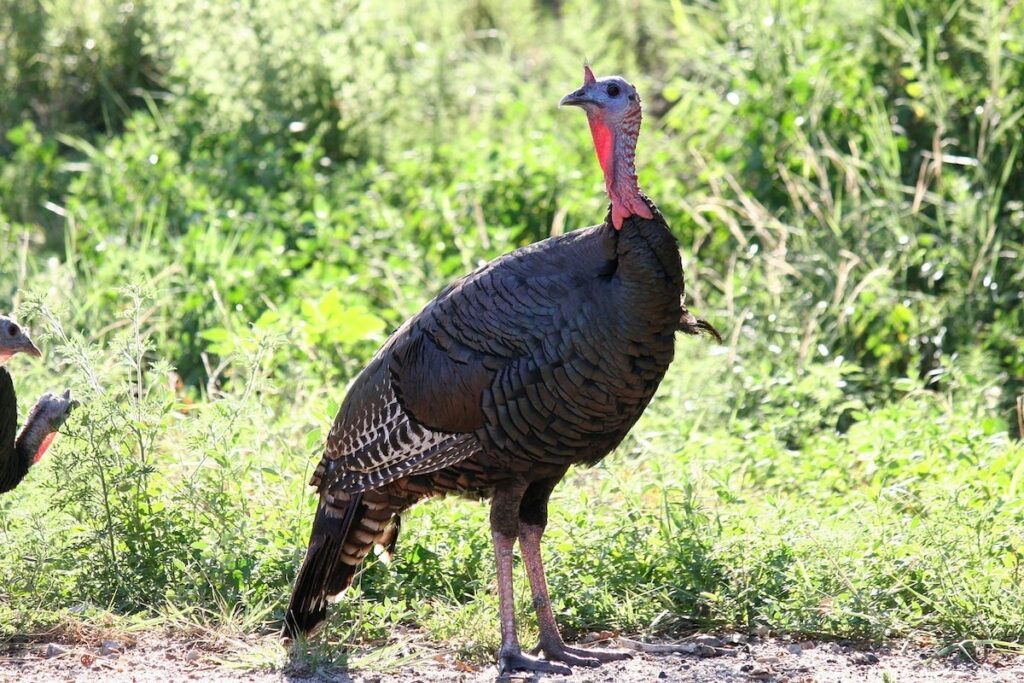
Ohio’s spring turkey harvest wrapping up just a hair below last year’s mark yet still clearing the three-year average tells us something important about the state’s wild turkey resource: it’s holding steady even as hunter participation and regulatory pressure continue to evolve. With 15,887 birds checked in a season that ran from mid-April into May, the numbers reflect both biological resilience and the practical effect of Ohio’s carefully calibrated spring framework—limited youth and early-season tags, conservative bag limits, and a robust reporting system that keeps the Division of Wildlife’s data sharp. For Second Amendment advocates, these figures are more than biological trivia; they demonstrate that when states manage game species with science rather than politics, hunting remains a sustainable, culturally vital activity that reinforces the broader right to keep and bear arms for all lawful purposes.
What stands out is how little daylight exists between “average” and “above average” in a year when fuel prices, ammunition costs, and shifting hunter demographics could easily have produced a sharper dip. That narrow margin above the recent average suggests Ohio’s turkey flock is absorbing modest increases in hunter effort without tipping into long-term decline, a reminder that healthy game populations are the best argument against those who claim hunting is incompatible with modern conservation. It also underscores why pro-2A organizations continue to push for access to public lands, streamlined permitting, and protection against regulatory creep that would treat lawfully carried firearms as presumptively suspect in the field.
Looking ahead, these harvest totals will feed directly into the Division of Wildlife’s 2027 season-setting process, giving hunters and the industry a data-driven seat at the table rather than leaving decisions to administrative whim. For the firearms community, that’s the real takeaway: consistent, transparent harvest reporting isn’t just wildlife management—it’s evidence that the right to hunt is alive and measurable, and that any attempt to curtail it must first explain why a demonstrably renewable resource suddenly needs to be treated like a threat.


