

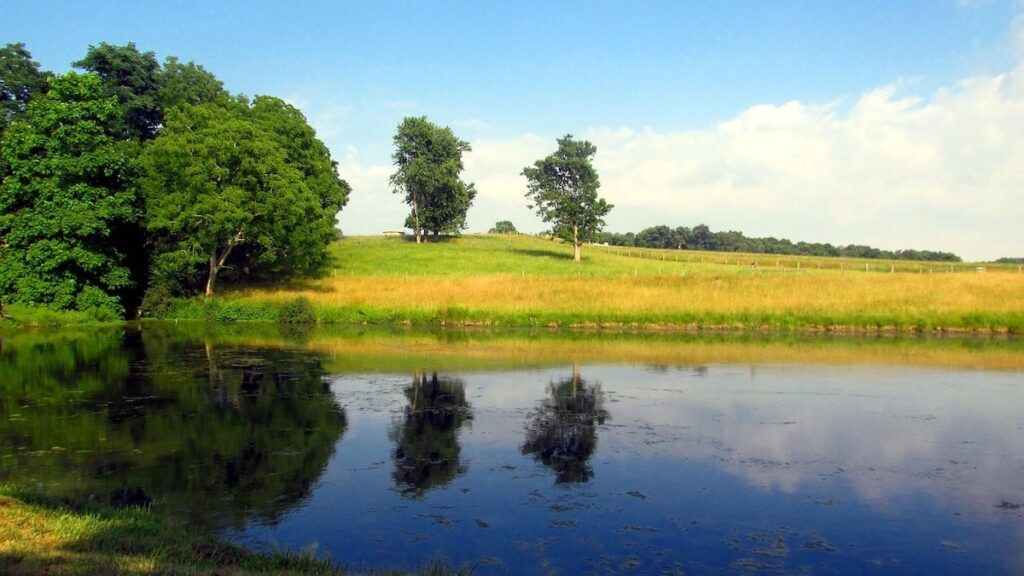
In the quiet farm ponds of northwestern Ohio, where private property rights still mean something, Jaret Stevens just reminded everyone that the best fishing—and the best stories—often happen far from the reach of government-stocked lakes and over-regulated public waters. His record green sunfish didn’t come from some heavily managed state fishery; it came from a humble, privately owned pond where the owner’s decision to stock and manage the water created the conditions for a true trophy. That’s the kind of outcome the Second Amendment community instinctively understands: when individuals control their own land and resources, remarkable things can happen without bureaucrats or bag limits getting in the way.
What makes this catch especially relevant to gun owners is the deeper principle at work. The same forces that push for ever-tighter restrictions on private ponds, private land access, and even private firearm ownership are the ones that would prefer every outdoor experience be funneled through public systems they can control. Stevens’ fish stands as quiet proof that decentralized, property-based conservation works. It also highlights why so many in the firearms community are also passionate about land rights—because the ability to responsibly manage your own acreage, whether for deer, ducks, or sunfish, is an extension of the same liberty that protects the right to keep and bear arms.
For 2A advocates, the takeaway is straightforward: every time a private landowner produces a record fish, a monster buck, or a thriving habitat, it undercuts the narrative that only government can steward natural resources. These small victories on private ground reinforce why we fight to keep both our guns and our property rights intact. In a world increasingly eager to centralize control over everything from firearms to fishing holes, stories like Stevens’ are reminders that freedom still delivers the best results—on the water and at the range.


