

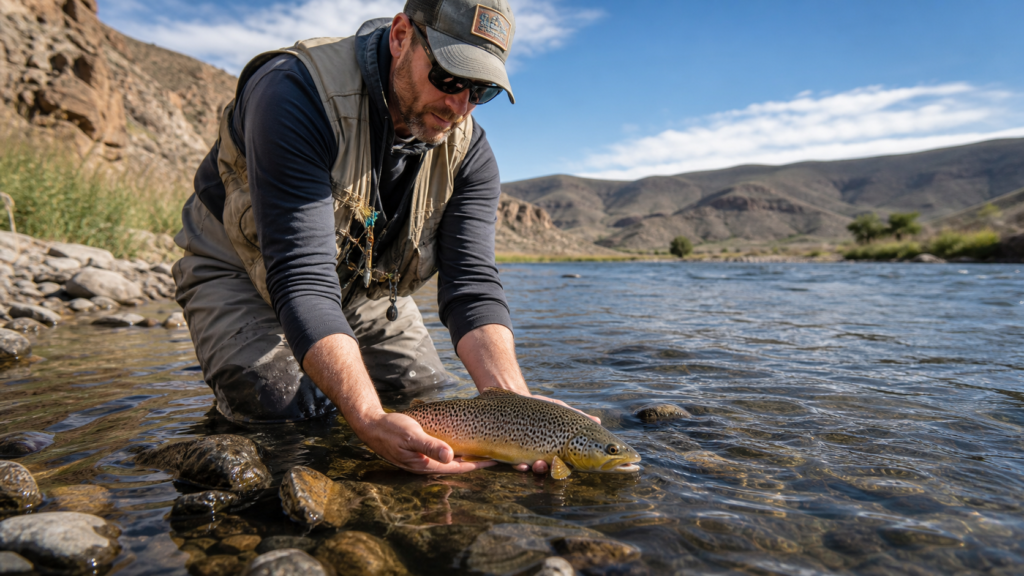
Oregon’s fisheries are taking a beating this summer, and the ripple effects reach far beyond the riverbank. With record-low snowpack and drought gripping the state, the Oregon Department of Fish and Wildlife is essentially telling anglers to get out at dawn or stay home—because stressed salmon and trout can’t handle the usual angling pressure. That’s not just bad news for weekend warriors; it’s a textbook case of how environmental stress and top-down management decisions can squeeze access to public resources that millions of law-abiding citizens rely on for food, recreation, and a direct connection to the land. When water runs low and agencies start layering on restrictions, the same reflexive impulse that curtails fishing often shows up in calls to limit firearm ownership or restrict where and when citizens can train and hunt.
For the 2A community the lesson is straightforward: natural-resource scarcity is routinely used as political leverage. One season of poor snowpack becomes the justification for new gear bans, shortened seasons, or outright area closures that disproportionately hit rural and working-class sportsmen. Those same voices rarely acknowledge that healthy, self-sufficient populations of hunters and anglers are the best-funded, most consistent advocates for habitat restoration and species recovery—largely through excise taxes on firearms and ammunition. Curtailing access under the banner of “conservation” risks severing that funding loop and eroding the broad cultural support that keeps both fish and firearms rights intact.
The practical takeaway is vigilance and preparation. Anglers who also own guns should treat this summer’s restrictions as a dry run for the sort of access fights that routinely migrate from game departments to capitol hearing rooms. Stock up on the gear you’re still allowed to use, document your responsible participation in the outdoors, and stay engaged with local wildlife boards—because the same low-water conditions that stress trout today can be twisted tomorrow into arguments that “fewer people with guns in the woods” is somehow a conservation win. In reality, an armed, engaged citizenry remains the most reliable backstop against both ecological decline and creeping restrictions on constitutional rights.


