

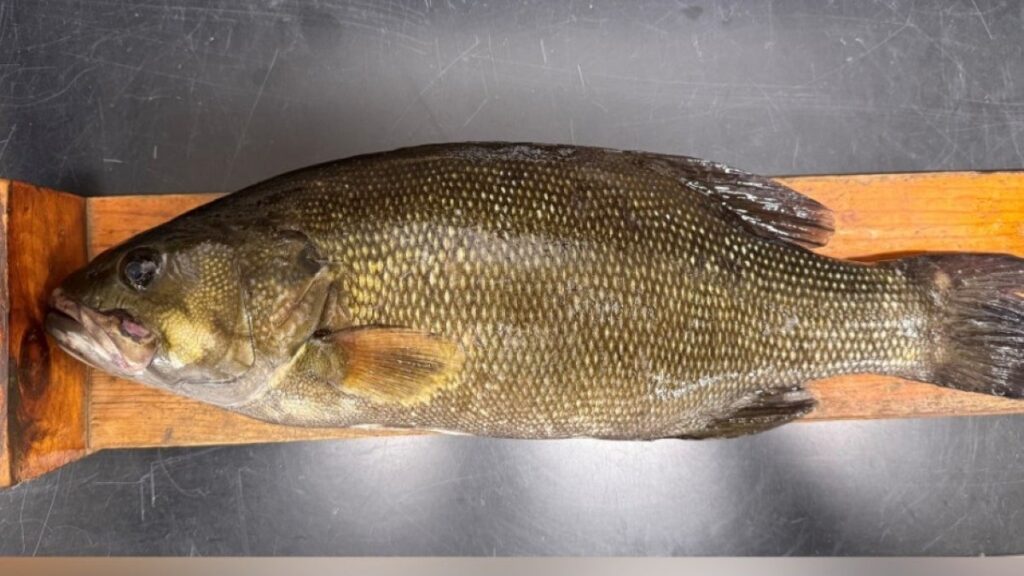
The discovery of non-native smallmouth bass in Lake Allatoona isn’t just an ecological footnote—it’s a textbook case of how quickly an ecosystem can shift when an outside pressure shows up uninvited. These fish didn’t swim there on their own; someone moved them, and now local biologists are scrambling to figure out whether the newcomers will out-compete the resident largemouth and spotted bass that generations of Georgia anglers have come to expect. The same principle applies to rights: once an invasive idea or regulation takes hold, it rarely leaves without a fight, and the longer it stays, the more the native balance tilts.
For the 2A community the parallel is obvious. Just as fisheries managers now face the costly, uncertain task of eradicating or containing an introduced species, gun owners routinely deal with laws and court rulings that arrive from distant capitals and then embed themselves in daily life. Both situations reward early detection and swift, lawful push-back—whether that means reporting illegal stockings to Georgia DNR or showing up to comment on proposed restrictions before they harden into precedent. Waiting until the “new normal” feels permanent is how you lose a fishery or a freedom.
The practical takeaway is vigilance without panic. Anglers who keep detailed catch logs and share GPS data with wildlife officials give managers the intel they need to act; the same disciplined record-keeping and civic engagement protect the right to keep and bear arms when legislation is introduced in the dark. Lake Allatoona’s smallmouth bass may yet be contained, but only if the people who actually use the resource treat the incursion as their problem to solve—exactly the mindset that has kept the Second Amendment intact through every previous wave of imported restrictions.


