

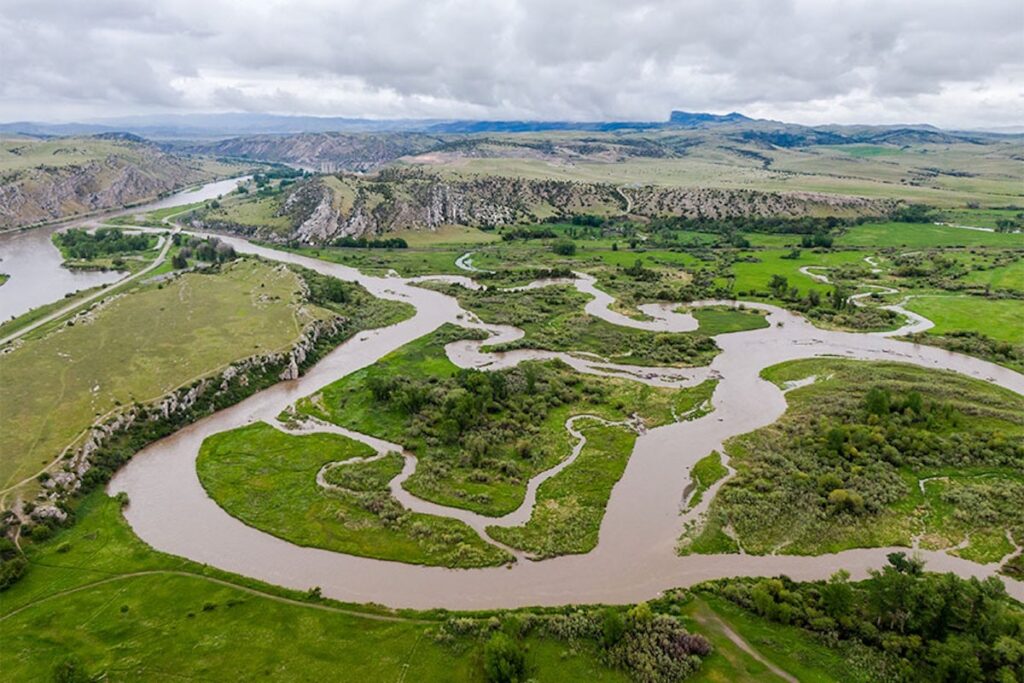
Montana’s new lottery system at Missouri Headwaters State Park is the latest reminder that even in a state long celebrated for its wide-open spaces, public-land access is becoming a rationed commodity. By capping hunters at six per day through a weekly draw, Montana Fish, Wildlife and Parks is essentially treating a traditional public resource like a limited-entry trophy unit. The move is framed as crowd control, yet it quietly shifts the burden onto the very citizens who fund the parks through licenses, tags, and excise taxes. For Second Amendment supporters, the signal is unmistakable: when government controls entry, it also controls the exercise of the right.
The deeper issue is the precedent this sets for other popular parcels. Once a reservation model is normalized, expanding it to additional parks—or tightening the numbers further—requires little more than an updated web page. Law-abiding hunters who already navigate shortened seasons, weapon restrictions, and complex regulations now face another bureaucratic hurdle before they can lawfully pursue game. That incremental squeeze rarely reverses; instead, it becomes the baseline for the next round of “management.”
Ultimately, the 2A community should treat this lottery not as an isolated inconvenience but as a case study in access erosion. Supporting litigation that challenges unequal treatment of enumerated rights, pushing for statutory sideboards on reservation systems, and amplifying transparency around how draw odds are calculated are concrete steps that keep public land public in practice, not just in name.


