

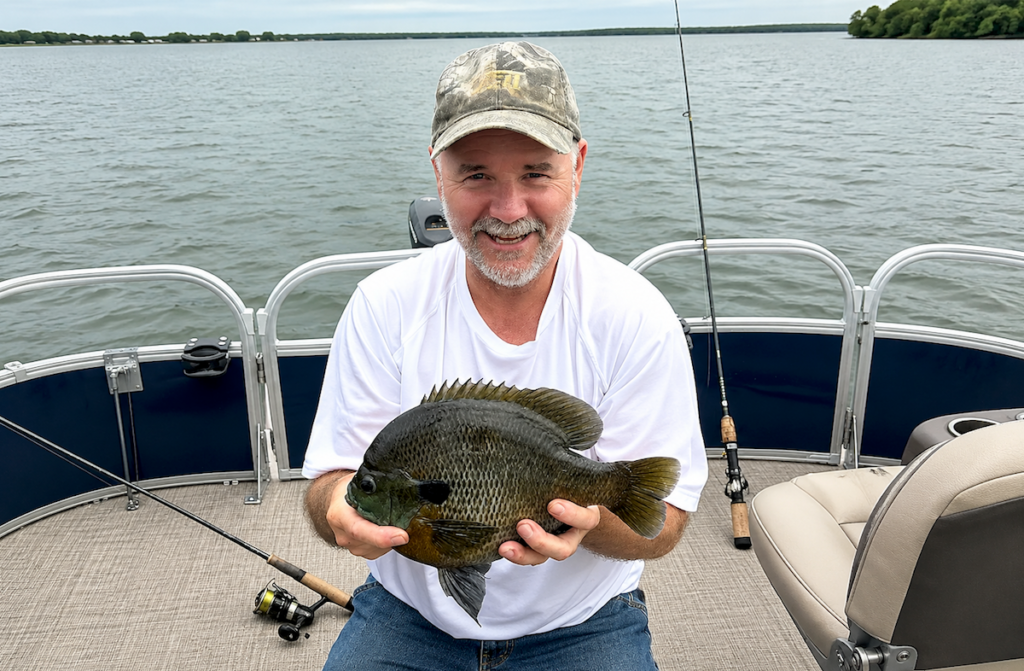
A Minnesota retiree’s brush with a state-record bluegill is more than a fishing tale—it’s a reminder that the same constitutional principles that protect the right to keep and bear arms also safeguard the broader culture of self-reliance and outdoor heritage that millions of Americans still cherish. Dale Hoffman’s near-loss of a $300 rod while battling a 2-pound, 3-ounce slab on Big Stone Lake underscores how fragile these pursuits can be when equipment, access, or even the fish themselves hang in the balance. In an era when anti-hunting and anti-angling activists increasingly frame traditional pastimes as threats to “public resources,” Hoffman’s story quietly demonstrates why law-abiding citizens must remain vigilant: the same regulatory creep that could one day restrict magazine capacities or pistol braces can just as easily target fishing tackle, lead weights, or the very lakes we fish.
The deeper implication for the 2A community is that every outdoor pursuit—whether it involves a .308 at the range or a graphite spinning rod on a prairie lake—reinforces the skills, mindset, and civic engagement that keep constitutional rights alive. Hoffman’s record fish didn’t just earn a line in the Minnesota DNR books; it highlighted how personal responsibility, quality gear, and a willingness to fight for what’s yours translate across disciplines. When the next round of “commonsense” restrictions on outdoor equipment surfaces, the anglers, hunters, and shooters who already stand together at the ballot box and in the briefing rooms will be the ones who decide whether future generations still get to chase either record-book bluegills or lawfully owned firearms without apology.


