

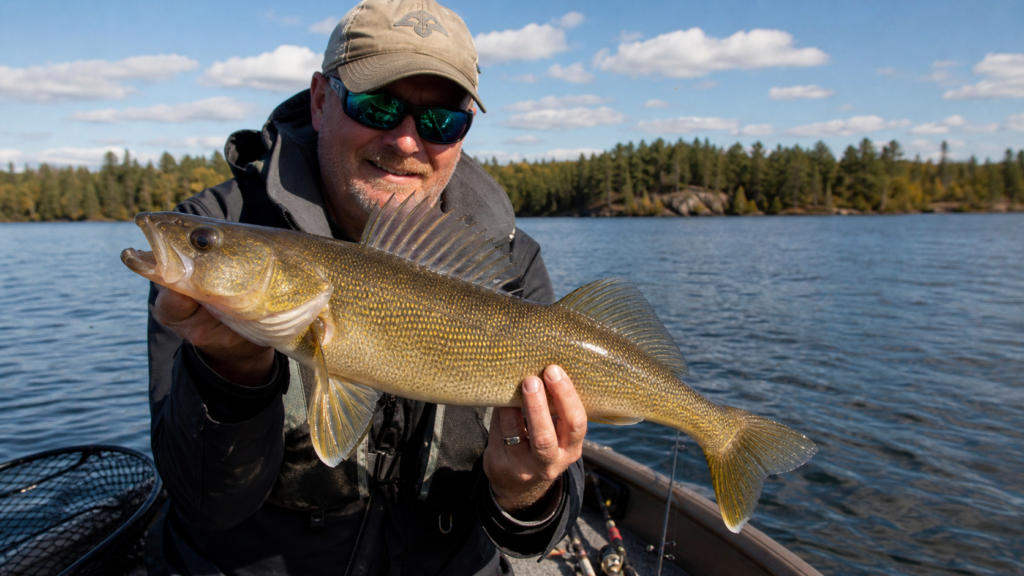
Minnesota’s anglers just proved what every serious outdoorsman already suspected: when you give people better tools, they get dramatically better at harvesting the resource. The new study showing actual fish take is more than double the state’s official estimate isn’t merely a fisheries-management footnote; it’s a textbook case of how technology outruns bureaucracy. Forward-facing sonar, refined electronics, and real-time mapping have turned casual weekend fishermen into precision harvesters, and the numbers prove it. The same pattern plays out with every freedom the left tries to manage from a desk in St. Paul or Washington—once citizens gain capability, the old regulatory assumptions collapse.
For the 2A community the lesson is immediate and unavoidable. If Minnesota’s conservation managers are now scrambling to rewrite bag limits and season structures because their models were off by 100 percent, imagine how badly the same class of bureaucrats miscalculate when they attempt to restrict firearms, magazines, or ammunition based on decade-old crime data and political talking points. The fish study demonstrates that honest, law-abiding citizens using legal equipment can exceed projections without violating any statute; the parallel to armed self-defense is obvious. When government insists it alone can judge “how much is enough,” the data keep proving otherwise.
The deeper implication is cultural. Minnesota’s anglers didn’t set out to defy the state; they simply adopted better tools the market made available. Firearm owners do the same every time they train with modern optics, practice with quality defensive ammunition, or carry the platform best suited to their needs. Regulators who respond by tightening rules rather than updating their assumptions reveal the real target isn’t sustainability or safety—it’s control. The fish harvest numbers are a warning shot: the more capable and self-reliant Americans become, the less credible top-down scarcity narratives sound.


