

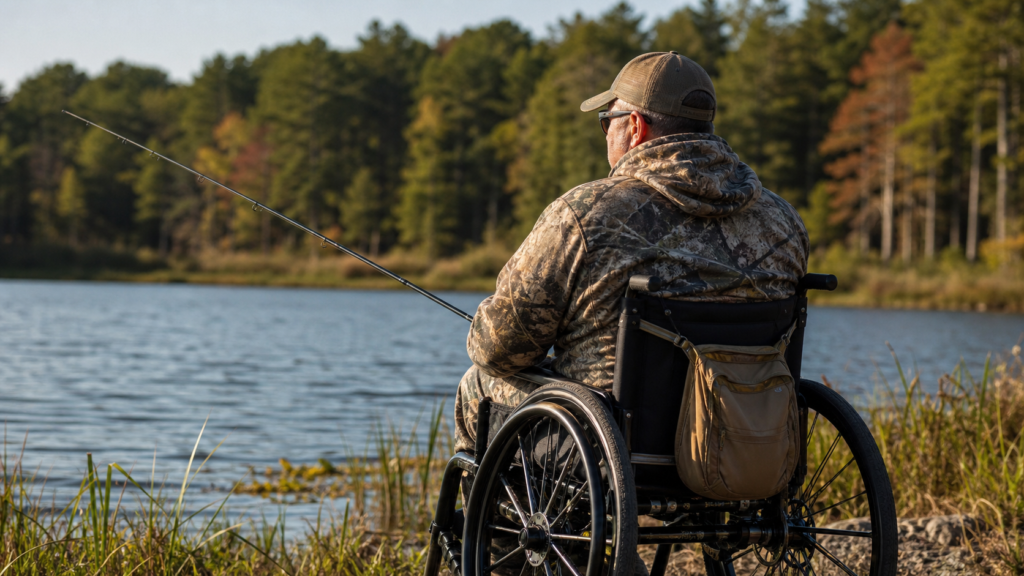
Maryland’s decision to hand out free hunting and fishing licenses to residents with qualifying disabilities is more than a feel-good policy—it’s a quiet but powerful affirmation that the right to keep and bear arms isn’t reserved for the able-bodied. By removing the financial barrier to participation, the state is effectively saying that physical limitation shouldn’t translate into civic exclusion from the outdoor traditions that have long served as both recreation and skill-building for armed citizens. For the 2A community, this matters because hunting and angling remain two of the most accessible gateways into the broader culture of firearms ownership; lowering the cost for disabled Marylanders keeps that pipeline open even as other states flirt with ever-higher fees and regulatory hurdles.
The move also carries a subtle political signal. While Maryland is hardly a Second Amendment sanctuary, its Department of Natural Resources is recognizing that conservation funding and public-land access benefit when participation is broadened rather than narrowed. That recognition undercuts the tired narrative that gun owners are a monolithic, able-bodied demographic; instead, it highlights a constituency that includes veterans with service-related injuries, accident survivors, and lifelong sportsmen who refuse to let disability end their connection to the field. In practical terms, the Universal Disability Pass could translate into more range time, more mentoring of new shooters, and more voices at public hearings defending access to both firearms and wild places.
Longer term, the policy sets a precedent other states may be pressured to match, especially as aging demographics and post-pandemic interest in outdoor activities collide with rising license costs. If more jurisdictions treat disabled citizens as full participants rather than afterthoughts, the ripple effect strengthens the argument that the right to arms is individual and timeless, not contingent on bureaucratic gatekeeping or physical perfection. In short, Maryland has quietly expanded the circle of people who can lawfully enjoy the armed lifestyle—something the broader pro-2A movement should note, replicate where possible, and defend when challenged.


