

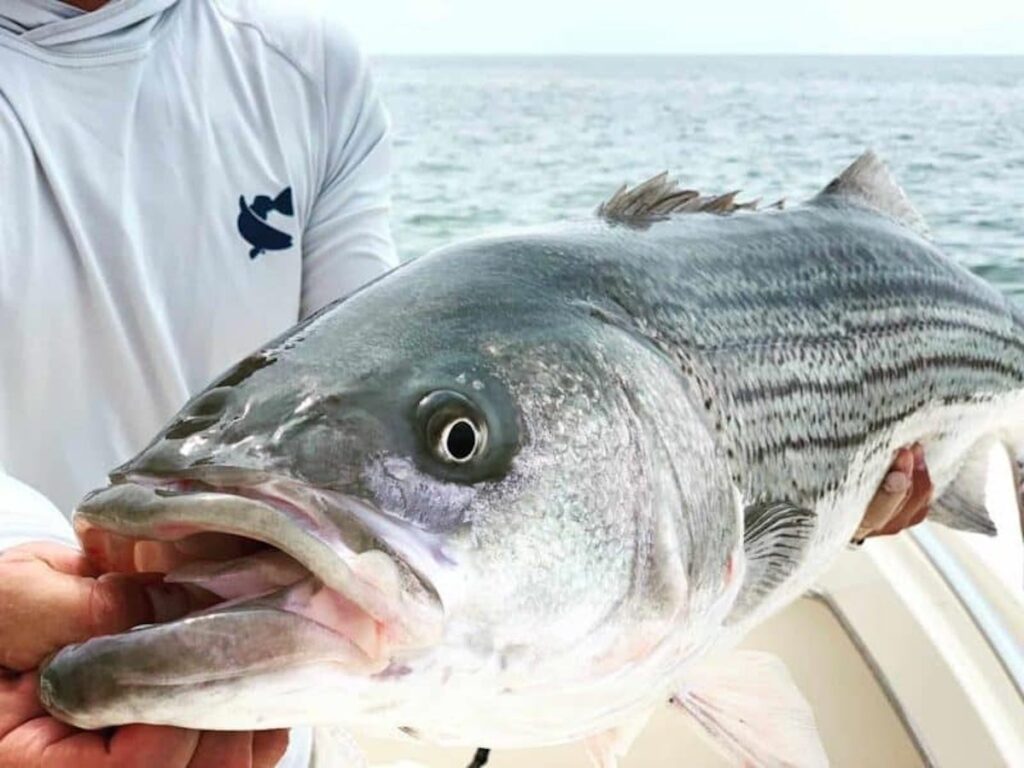
Maryland’s decision to shutter striped bass fishing through the end of August is being sold as a conservation measure, but it’s also a textbook example of how quickly a state can flip the switch from “recreational access” to “total prohibition” when regulators decide the resource is stressed. The same Chesapeake Bay that now bars anglers from targeting rockfish is the same body of water whose surrounding counties have spent the last decade tightening permitting rules, shortening seasons, and layering on gear restrictions—each new rule justified by the same “protect the resource” language now being used to justify a bay-wide closure. For Second Amendment advocates, the parallel is obvious: once government officials acquire the power to declare an activity off-limits overnight, that power rarely shrinks; it simply migrates to the next politically convenient target.
The timing is especially instructive. The closure arrives during peak summer heat, when catch-and-release mortality is highest, yet the state waited until the calendar page turned rather than implementing dynamic, science-based triggers that could have opened pockets of the fishery on cooler days. That rigid, one-size-fits-all approach mirrors the gun-control strategy of banning entire categories of firearms instead of prosecuting actual bad actors. Both tactics prioritize bureaucratic ease over individual responsibility, and both rest on the assumption that law-abiding citizens are the problem rather than the solution. Maryland’s striped-bass anglers are discovering what gun owners in the same state have known for years: when the regulatory reflex is “close first, study later,” the people who lose access are almost never the ones causing the underlying issue.
For the 2A community, the takeaway is strategic as well as philosophical. Sportsmen’s groups that remain silent on fishing closures because “it’s just fish” are conceding the same regulatory logic that later migrates to magazine limits, permitting schemes, and red-flag laws. Conversely, when anglers and shooters coordinate—sharing data, challenging overreach in court, and reminding regulators that outdoor traditions are cultural infrastructure, not optional luxuries—the coalition becomes harder to dismiss. Maryland’s August striped-bass ban may be temporary, but the precedent it reinforces is permanent unless the broader shooting and hunting community treats every closure, every new permit, and every “emergency” rule as part of the same continuum of restricted liberty.


