

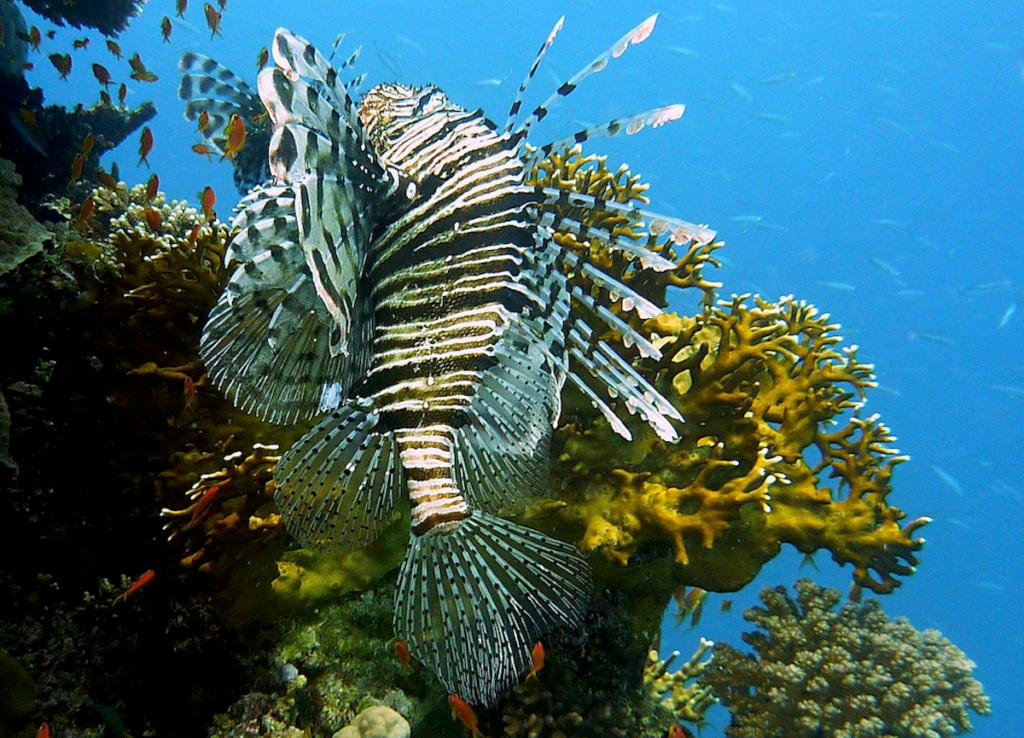
Lionfish are staging a full-scale invasion in Alabama’s Gulf waters, with populations exploding according to marine experts like Keith Lusher. These spiny, venomous interlopers from the Indo-Pacific have shrugged off every control effort thrown at them—from spearfishing derbies to traps and even experimental lionfish tacos on restaurant menus. Recent surveys show their numbers surging in coastal Alabama, outcompeting native reef fish and disrupting the delicate Gulf ecosystem. It’s a classic case of an invasive species turning paradise into a prickly nightmare, with densities now rivaling those in Florida’s overrun reefs.
But here’s where it gets interesting for the 2A community: lionfish management is a masterclass in why armed citizens are the ultimate line of defense against unchecked threats. Government-led culling programs have barely dented their spread—spearfishing tournaments bag thousands, yet populations rebound faster than a politician’s promises. Enter the everyday diver with a speargun, often customized like a precision AR-15 for underwater accuracy, turning recreational hunters into ecological warriors. This mirrors the pro-2A ethos: decentralized, individual action trumps bureaucratic red tape. In Alabama, where Gulf access is a birthright, armed sportsmen are proving that the right tools in responsible hands—be they firearms on land or spears in the sea—keep invasive chaos at bay.
The implications? As lionfish push northward, expect more states to lean on civilian firepower for solutions, blurring lines between hunting regs and environmental defense. It’s a win for self-reliance: just as 2A protects against tyranny and wildlife threats on terra firma, it empowers Gulf guardians to protect marine bounty. Next time you’re rigging for redfish, pack a spear—because in the fight against invasives, freedom shoots first.


