

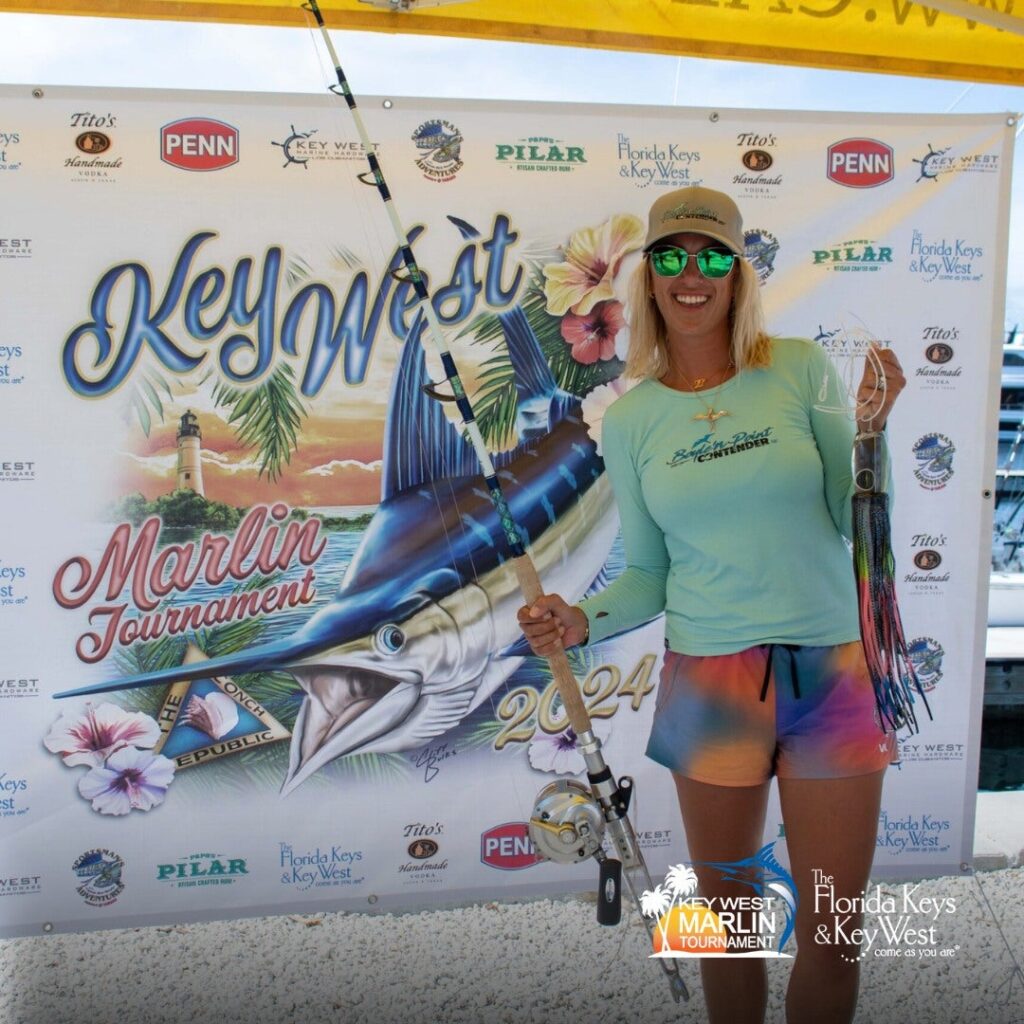
The return of the Key West Marlin Tournament for its 45th year is far more than just another fishing event on the calendar. It stands as a vibrant celebration of Florida’s maritime heritage, where skilled captains, passionate anglers, and cutting-edge offshore boats converge in one of the most storied big-game fishing destinations in the world. What began as a modest gathering of local fishermen has evolved into a premier international competition that draws competitors from across the globe, injecting millions into the local economy while preserving the traditions of ethical catch-and-release practices and marine conservation. In an era where many outdoor pursuits face increasing regulatory pressure, this tournament reminds us that responsible sporting heritage can thrive when communities prioritize stewardship over bureaucratic overreach.
For the 2A community, events like the Key West Marlin Tournament carry deeper resonance than surface-level recreation. The same independent spirit that drives men and women to master the unpredictable Atlantic waters, navigate complex currents, and handle powerful tackle mirrors the self-reliant ethos at the heart of Second Amendment values. Both fishing tournaments and firearms ownership celebrate personal responsibility, technical proficiency, and the freedom to pursue excellence without unnecessary government interference. When you watch a seasoned angler expertly fight a massive blue marlin on stand-up gear, you’re witnessing the same focus, discipline, and respect for nature’s power that responsible gun owners bring to the range and the field. These are parallel cultures of American self-sufficiency that refuse to be regulated out of existence.
The continued success of longstanding traditions like this 45-year-old tournament should serve as both inspiration and warning for gun owners. Just as fishing tournaments have adapted to modern conservation demands while fiercely protecting angler access and boat ownership rights, the firearms community must remain vigilant against incremental restrictions disguised as “common sense” reforms. Both communities understand that once regulators erode one aspect of sporting liberty, the rest becomes easier to target. The Key West Marlin Tournament isn’t merely about chasing trophy fish; it’s living proof that heritage, economic vitality, and personal freedom can coexist when passionate participants refuse to surrender their way of life to coastal elites who rarely understand the value of these hard-earned traditions.


