

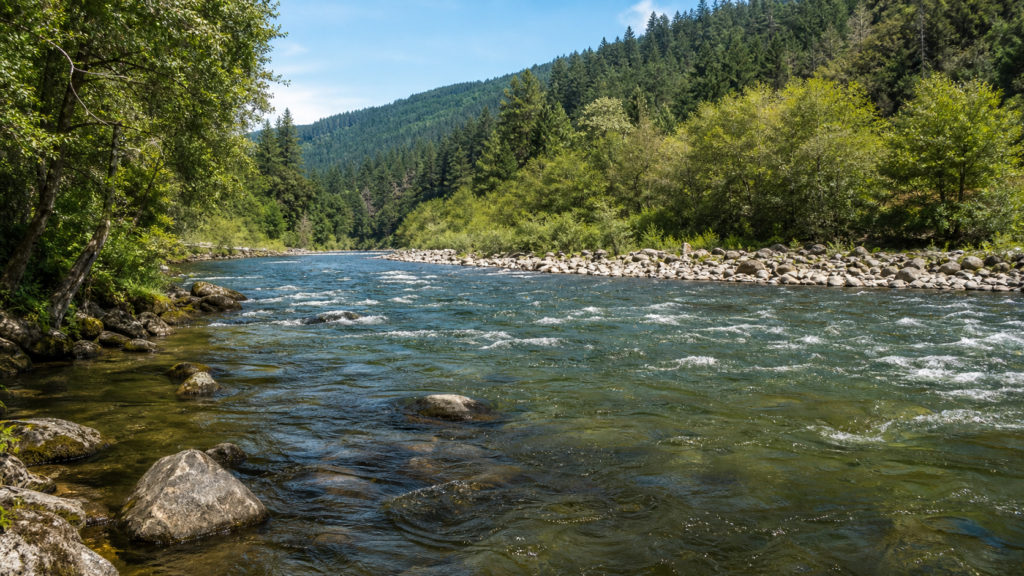
A 64-year-old Douglas County man’s fatal flip on the North Umpqua is a stark reminder that the same rivers we rely on for recreation are also the proving grounds where situational awareness, preparation, and the right gear can mean the difference between a story you tell and one someone else tells about you. Cold, fast-moving water doesn’t care about age or experience; it only cares whether you’re wearing a properly fitted PFD, whether your paddle leash is clipped, and whether the people around you know how to execute a swiftwater rescue. For the 2A community, the lesson is identical to the one we preach on the range: complacency kills. Just as we drill malfunction clearances and medical response into every range day, river runners—especially those who carry concealed while on the water—need to treat swiftwater safety with the same disciplined repetition.
That discipline extends to the legal realities of carrying on Oregon’s waterways. Oregon is a shall-issue, constitutional-carry state, yet river-specific regulations, federal land overlays, and overlapping wildlife-area rules can create pockets where loaded carry is restricted even though open carry on foot is lawful. A prepared kayaker therefore researches not only Class III rapids and strainer locations, but also the Oregon State Marine Board statutes and BLM or Forest Service maps that govern the stretch between Winchester and Glide. The same holster discipline we demand on the firing line—retention, accessibility, protection from the elements—must be adapted for a boat: a quality inside-the-waistband rig under a dry-top, or a chest-mounted holster that stays clear of a PFD’s quick-release system. When seconds count, fumbling under a flotation vest for a sidearm that has migrated to the bottom of the boat is as dangerous as an unholstered pistol on a loading bench.
Finally, the tragedy underscores why the 2A community must remain vocal advocates for public access and infrastructure that keeps waterways safe and open. Trimming budgets for river gauges, search-and-rescue teams, or boater-education grants doesn’t just inconvenience weekend paddlers; it removes the very safety net that prevents fatalities like this one. When we lobby for maintained put-ins, clear signage, and well-funded swiftwater rescue cadres, we’re also protecting the Second Amendment corridor that allows armed citizens to enjoy those rivers without surrendering their rights at the water’s edge. The man lost on the North Umpqua can’t benefit from those reforms, but the next 64-year-old who clips his PFD, studies the map, and carries responsibly will—and that’s the legacy worth fighting for.


