

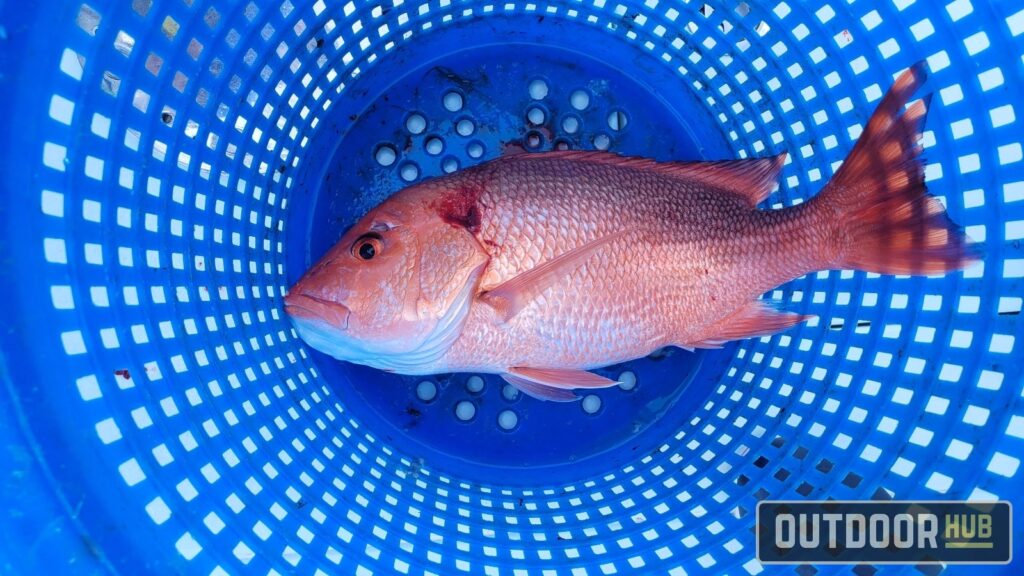
In a move that feels all too familiar to anyone who’s watched federal regulators treat recreational access like a privilege rather than a right, a last-minute court order slammed the door on the Atlantic red snapper season just hours before it was set to begin. The ruling didn’t come from science or stock assessments showing collapse; it came from procedural wrangling and the usual coalition of environmental litigants who treat every harvest opportunity as a threat to be litigated into oblivion. For anglers who had already fueled boats, rigged tackle, and cleared calendars, the decision underscored a recurring pattern: when government holds the keys to a public resource, access can vanish overnight on the strength of a single filing.
That same pattern plays out in the firearms world every time a new rule or injunction drops from the administrative state. Just as red snapper fishermen must navigate layers of federal management plans, endless lawsuits, and shifting “best available science” that somehow always trends toward less opportunity, gun owners face ATF reinterpretations, pistol-brace bans, and ghost-gun rules that appear with little warning and even less due process. Both communities are told their activities are heavily regulated “for their own good,” yet the regulators rarely absorb the economic pain when seasons close or products are suddenly reclassified. The red snapper case is simply the fisheries version of a pistol-brace injunction: one judge, one filing, and thousands of citizens find their plans nullified.
The deeper implication is that concentrated regulatory power, whether over fish or firearms, invites exactly this kind of eleventh-hour disruption. When authority rests in distant agencies and sympathetic courts rather than with the people closest to the resource or the right, the default setting becomes restriction, not liberty. Sportsmen who value self-reliance and sustainable use should recognize the kinship here; defending access to one domain strengthens the argument for defending access to the other. If the red snapper community treats this as an isolated fisheries squabble instead of a warning about administrative overreach, they’ll keep waking up to blocked seasons. The 2A community already knows the cost of that complacency.


