

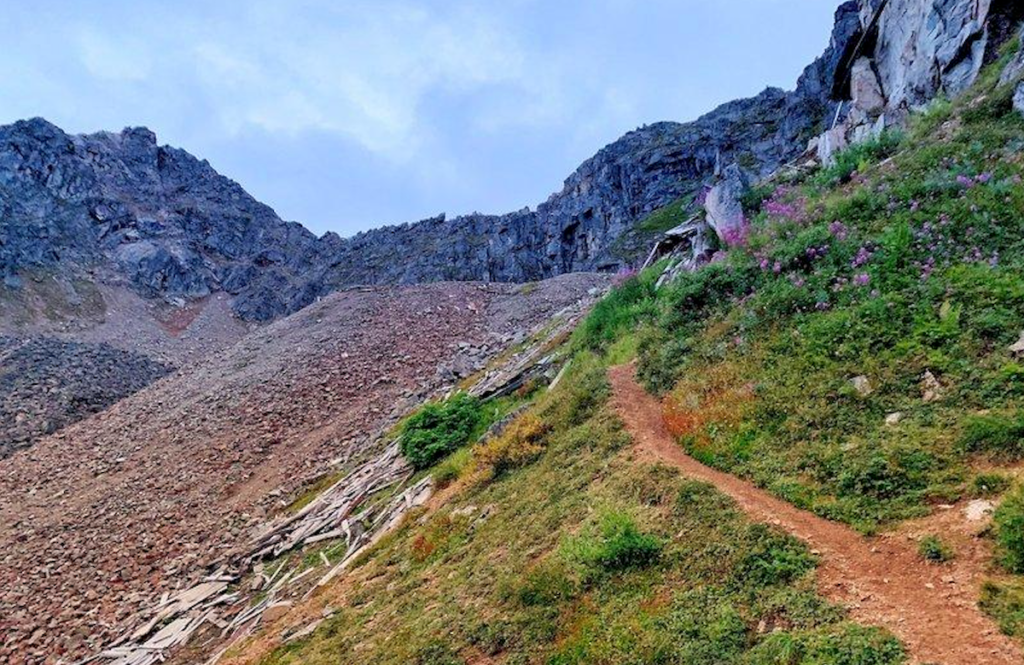
The tragic death of 77-year-old Joyce Weiss on Alaska’s Palmer Creek Lakes Trail is a stark reminder that the wilderness doesn’t grade on a curve. At an age when many people trade boots for recliners, Weiss was still out there pushing her limits—until a single misstep ended everything in a 200-foot plunge. For the 2A community, the takeaway isn’t just about trail safety; it’s about the broader principle that self-reliance is a package deal. If you’re going to carry the responsibility of a firearm for personal defense, you also carry the responsibility of knowing your physical limits, your gear, and the terrain you’re asking your body to navigate. The same mindset that keeps a concealed carrier situationally aware on city streets applies to reading a ridgeline before you step onto it.
What makes this story sting for gun owners is how it underscores the quiet contract we make with ourselves every time we head into the backcountry: if something goes wrong, the nearest help might be measured in hours, not minutes. That reality is exactly why so many of us train with both firearms and medical kits, why we practice one-handed manipulations and why we preach the “always be ready” ethos. A fall like Weiss’s doesn’t care whether you’re armed or not; gravity is the ultimate non-discriminator. The lesson for the 2A world is to treat every outdoor excursion like a range day—plan for the worst, train for the unexpected, and never let complacency masquerade as experience. In the end, the Second Amendment protects our right to defend life; it doesn’t exempt us from the responsibility to preserve it through preparation, fitness, and sound judgment on every trail we walk.


