

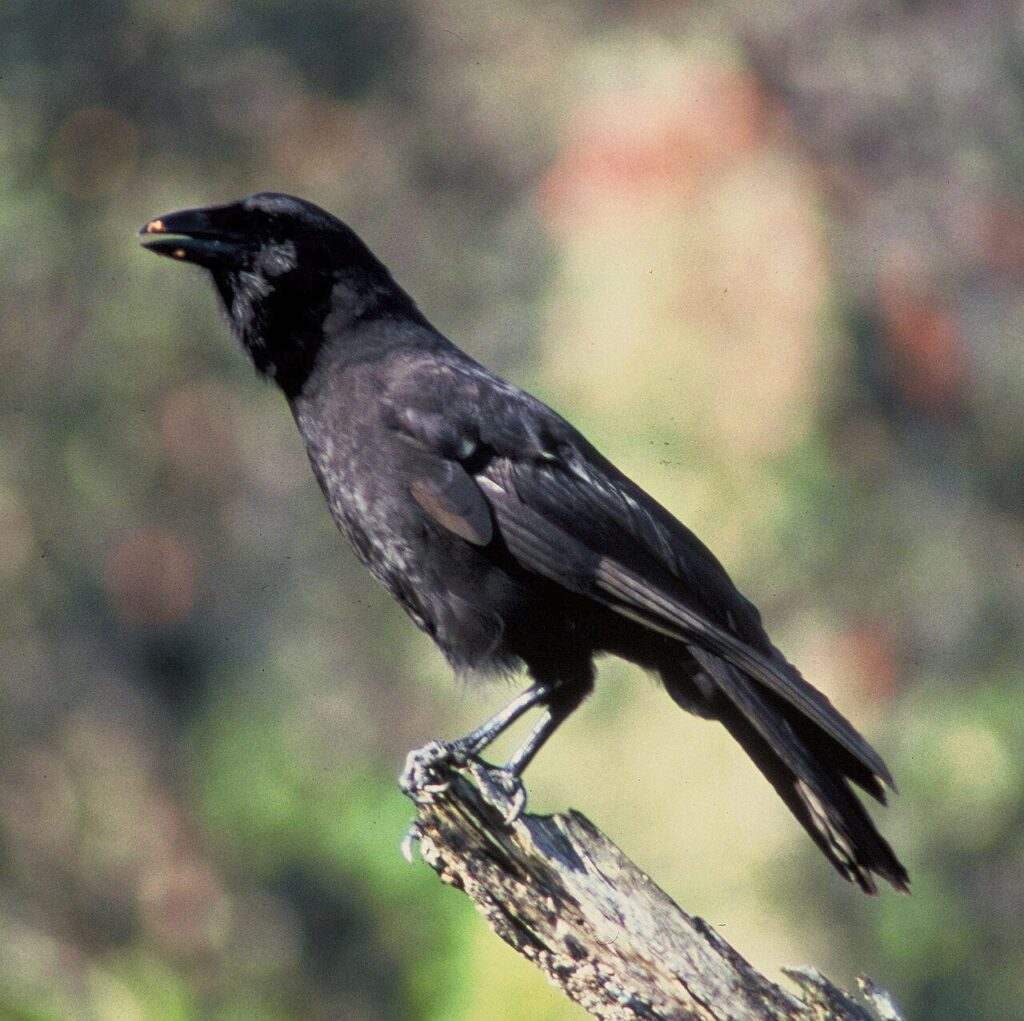
In the misty slopes of Haleakalā, five young ʻalalā are doing something no Hawaiian crow has managed in more than twenty years: surviving on their own. After two decades of captive breeding and careful releases, these juveniles are foraging, expanding their range, and proving that a species once declared functionally extinct in the wild can claw its way back when people commit the resources and patience required. The parallel for the 2A community is unmistakable—species recovery, like the defense of individual liberty, rarely happens by accident or government decree alone; it demands consistent, hands-on stewardship by those who actually care about the outcome.
What makes this story especially relevant is the method behind the success. Biologists didn’t simply “protect” the birds with another layer of regulation; they bred them, trained them to recognize food and threats, then turned them loose with ongoing monitoring. That same model—private initiative, specialized knowledge, and persistent effort—has repeatedly rescued both wildlife populations and constitutional rights when bureaucratic inertia would have settled for managed decline. The ʻalalā’s return also underscores a deeper truth: ecosystems, like republics, are fragile constructs that can vanish within a single human generation if the people who value them stop actively maintaining the conditions for survival.
For gun owners watching this unfold, the lesson is practical rather than poetic. Just as conservation groups now celebrate the crow’s second chance after years of deliberate work, the right to keep and bear arms has survived repeated attempts at extinction only because millions of citizens refused to treat it as someone else’s problem. Whether the issue is species reintroduction or the defense of foundational liberties, the pattern is the same: sustained, decentralized responsibility beats top-down management every time.


