

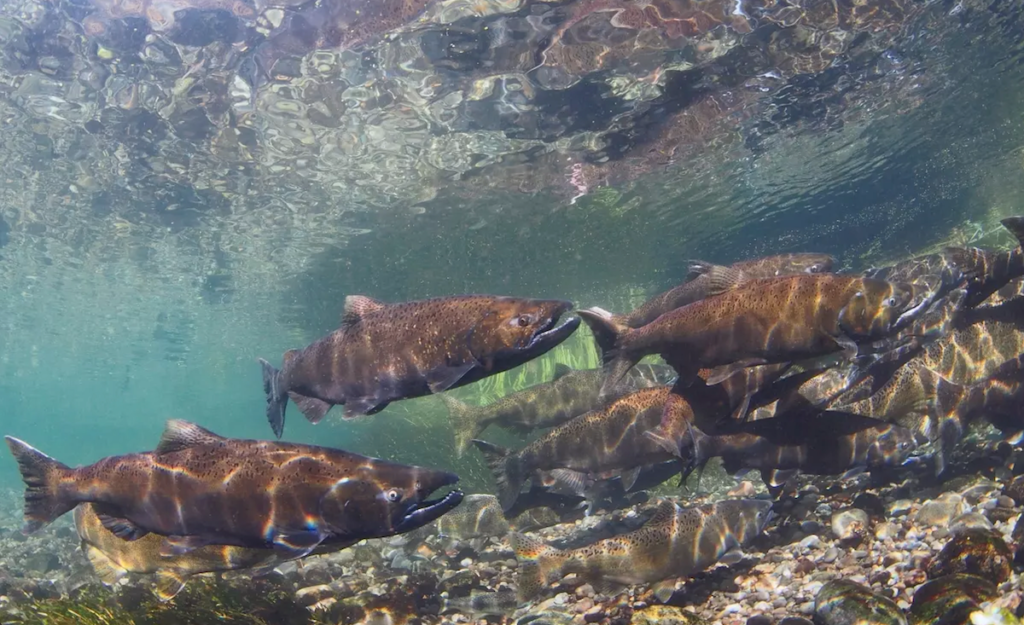
Federal wildlife officials just handed Alaska’s commercial and sport fishermen a major victory by refusing to list Gulf of Alaska Chinook salmon under the Endangered Species Act, a move that keeps harvest opportunities intact and prevents the kind of top-down federal restrictions that often ripple outward into other resource-based rights. The decision came after the Wild Fish Conservancy pushed for protection, yet NOAA’s review found the runs stable enough that listing wasn’t warranted—proof that science, not litigation theater, can still carry the day when politics don’t hijack the process. For the 2A community this matters because the same activist playbook used against salmon—manufactured scarcity, endless lawsuits, and calls for sweeping federal control—has long been aimed at firearms owners; every time regulators are forced to admit the data don’t justify new restrictions, it undercuts the broader narrative that only Washington can “save” us from ourselves.
What makes the ruling especially telling is how it exposes the gap between coastal alarmism and on-the-ground abundance: Alaska’s salmon management already relies on rigorous stock assessments, escapement goals, and adaptive regulations that have kept fisheries sustainable without Endangered Species Act handcuffs. By rejecting the petition, NOAA effectively told litigants that healthy populations managed at the state level don’t need a federal takeover—an outcome that mirrors the 2A argument for keeping wildlife and firearms policy closest to the people who live with the consequences. When anti-fishing groups lose these battles, it slows the momentum they hope to transfer into parallel attacks on hunting access, ammunition restrictions, and ultimately the right to keep and bear arms in rural communities that depend on both fish and firearms for food security and tradition.
The larger implication is that victories like this are won with relentless data collection and push-back against the administrative state, not by hoping regulators will self-correct. Alaska’s fishermen now avoid the paperwork nightmare and closed seasons that listing would have triggered, preserving both economic livelihoods and the cultural fabric that includes hunting and shooting sports. For Second Amendment advocates watching similar regulatory creep in the firearms world, the takeaway is clear: organized, evidence-driven resistance at every level—state legislatures, public comment periods, and the courts—remains the most reliable way to keep individual liberties from being managed into irrelevance.


