

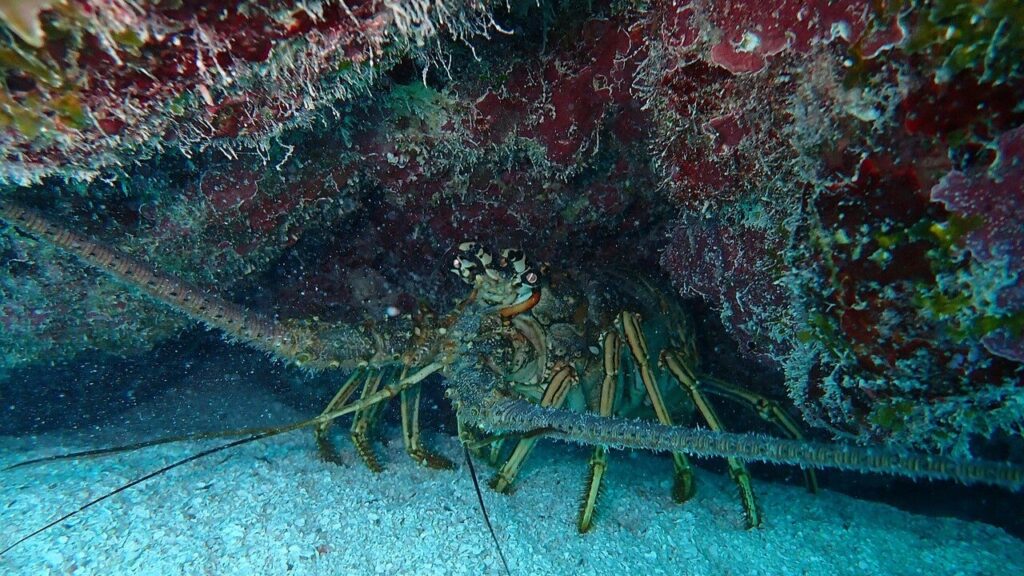
Florida’s lobster mini-season is already a pressure-cooker of early-morning launches, GPS coordinates traded like poker chips, and the unspoken rule that the first diver on a ledge owns it until he surfaces. When 51-year-old Michael Simpson allegedly surfaced beside 18-year-old Hunter Cofer’s boat and reached for the latter’s regulator, that tense etiquette allegedly turned felonious. Cutting off someone’s air supply isn’t a “scuffle over bugs”; it’s an attempt to convert a civil dispute into a homicide scene fifty feet underwater—an environment where the victim has zero recourse and the aggressor enjoys every tactical advantage. For the 2A community the takeaway is immediate: the same logic that justifies defensive tools on dry land applies with even greater force beneath the surface, where seconds matter and escape routes don’t exist.
The case also spotlights how quickly a contested natural resource can become a flashpoint for violence when both parties assume the other is unarmed or otherwise unable to respond. Simpson’s alleged decision to treat Cofer’s life as expendable collateral in a lobster tug-of-war mirrors the broader pattern we see whenever lawful carriers are disarmed by regulation or geography—criminals, or simply the enraged, feel emboldened. Whether the venue is a reef, a campground, or a city street, the principle remains constant: the ability to deter lethal force in real time is not a privilege; it is the baseline condition for peaceful coexistence among armed strangers. Florida’s own “stand your ground” statute recognizes that deadly force may be met with deadly force when a reasonable person fears imminent death or great bodily harm; regulators who carve scuba divers out of that protection are effectively declaring certain citizens second-class when it comes to self-preservation.
Finally, the episode is a reminder that the Second Amendment isn’t an abstract debating point—it is the legal architecture that keeps resource arguments from graduating to body counts. If Simpson is convicted, the verdict will underscore that attempted murder remains attempted murder whether the weapon is a dive knife or a handgun; if he walks on a technicality, the 2A community will rightly ask why underwater predation is treated differently from any other theater of self-defense. Either outcome circles back to the same truth: the right to keep and bear arms exists precisely so that law-abiding citizens never have to negotiate for their next breath.


