

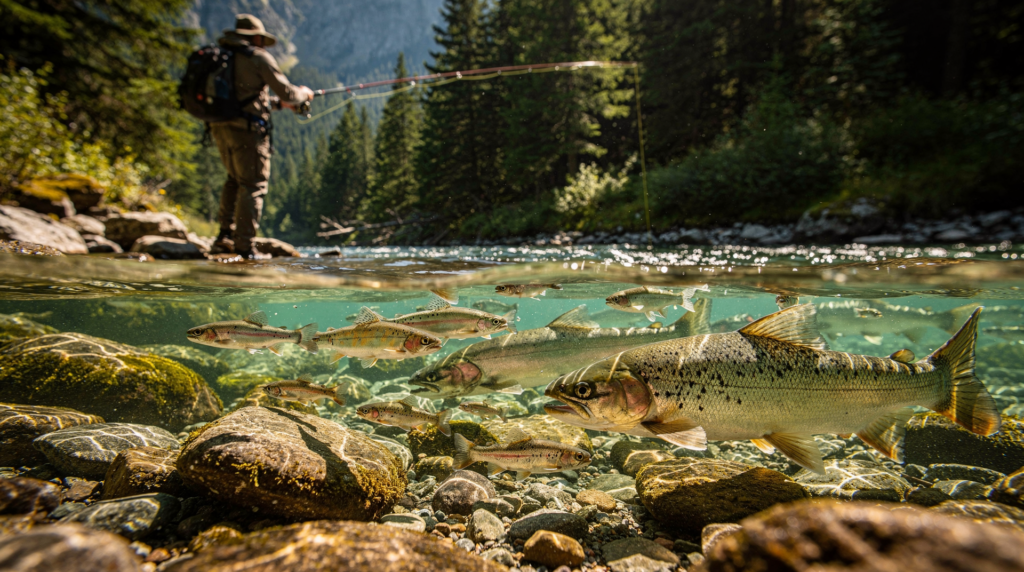
Caroline Langdale’s 30.5-inch brown trout from Idaho’s South Fork Snake River isn’t just a personal best—it’s a vivid reminder that the same freedoms that let anglers chase record fish also depend on an armed citizenry willing to defend access to those waters. The ten-minute fight, guided by Ed Emory of South Fork Lodge, unfolded on public river corridors that exist only because generations of sportsmen and women insisted on the right to keep and bear arms against both bureaucratic overreach and outright closure. When anti-hunting and anti-fishing activists push “buffer zones,” road closures, or outright bans on traditional access, they’re attacking the same constitutional principle that protects Langdale’s right to carry while she wades remote stretches where cell service is nonexistent and help is hours away.
For the 2A community, this catch-and-release record also underscores why we must remain vigilant about who controls the land and the rules that govern it. Idaho’s generous public-land policies and relatively permissive carry laws are no accident; they’re the product of decades of pro-Second Amendment legislators and sportsmen’s groups pushing back against federal land grabs and state-level restrictions that would turn rivers into no-go zones for anyone without a badge. Langdale’s fish proves the system still works when citizens stay engaged, but every new regulation that chips away at open carry, magazine capacity, or the ability to defend oneself in the field is another incremental threat to the next “fish of a lifetime.”
Ultimately, stories like this one serve as quiet but powerful recruiting tools. They show that the right to keep and bear arms isn’t an abstract talking point—it’s what keeps remote trout streams open, guides employed, and record-book fish within reach of everyday citizens rather than a government-approved few. The 2A community should treat every new state or river record as both celebration and call to action: protect the places, protect the access, and never surrender the tools that make both possible.


