

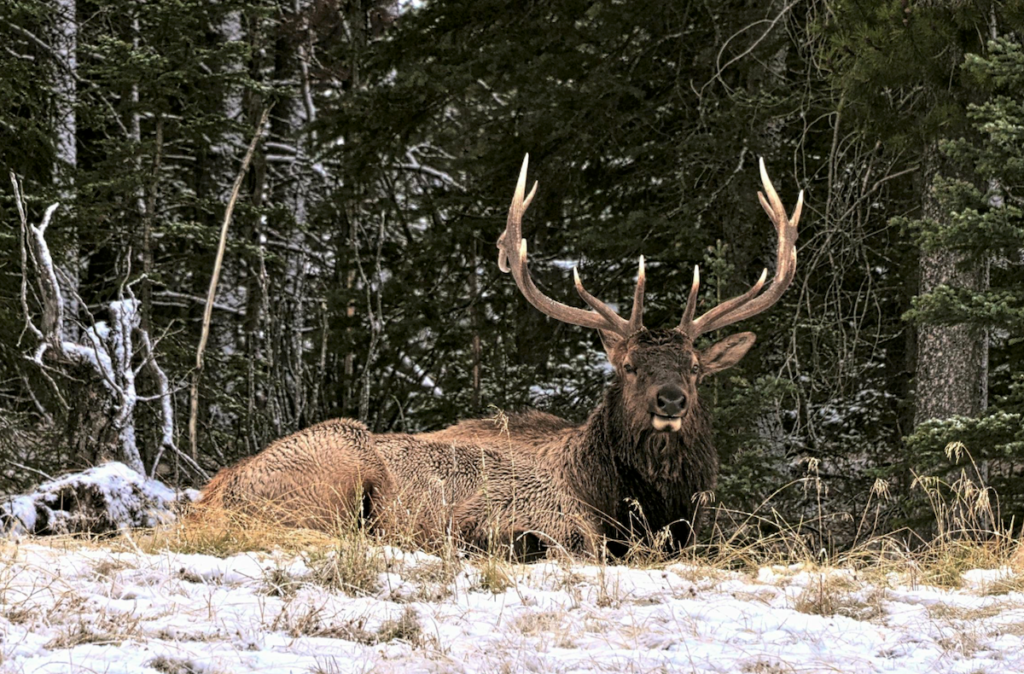
The first confirmed case of chronic wasting disease on the National Elk Refuge isn’t just a wildlife footnote—it’s a flashing warning light for every hunter who values the Western public-land tradition. When a prion disease shows up in one of the most heavily managed, most politically scrutinized elk herds in the country, the usual “it’ll never happen here” complacency evaporates. State and federal agencies will now face intense pressure to expand testing, restrict baiting and feeding, and potentially curtail access or seasons. Those moves rarely stay confined to one refuge; they tend to migrate into surrounding national forests and BLM parcels that millions of hunters rely on each fall. For the 2A community, the danger isn’t the disease itself but the regulatory momentum it can generate—new layers of permitting, mandatory sampling, and even temporary closures that treat public access as a biosecurity risk rather than a constitutional and cultural baseline.
Beyond immediate management changes, this detection underscores how fragile the “wildlife for the people” model really is when science, bureaucracy, and litigation intersect. Anti-hunting groups are already primed to argue that concentrated winter feeding on the refuge created the perfect storm for disease spread; their next logical step is to push for an end to supplemental feeding altogether. If that argument gains traction, it won’t just affect elk—it will ripple into mule-deer units, moose populations, and the outfitted hunts that sustain rural economies. Hunters who have spent decades defending feeding programs as necessary winter-wildlife support may soon find themselves defending the very existence of those programs against both disease-control mandates and preservationist lawsuits. The 2A angle is straightforward: every new restriction justified by CWD becomes another precedent that can be cited the next time someone wants to limit hunter numbers, weapon types, or methods of take on public land.
Longer term, the refuge case should accelerate calls for better-funded, hunter-supported surveillance rather than reactive shutdowns. Organizations already investing in CWD testing infrastructure—groups like the Rocky Mountain Elk Foundation and state wildlife federations—now have fresh evidence that early detection on high-profile federal land is both possible and necessary. The 2A community’s leverage here is data: the more hunters participate in voluntary sampling and fund independent research, the harder it becomes for agencies to justify sweeping closures under the banner of “we don’t know enough.” In short, this single positive test is a reminder that wildlife management decisions are never made in a vacuum; they are shaped by whoever shows up with credible information and a willingness to defend access. Hunters who treat CWD as someone else’s problem risk waking up to a regulatory landscape that treats their presence on the landscape as the variable that needs controlling.


