

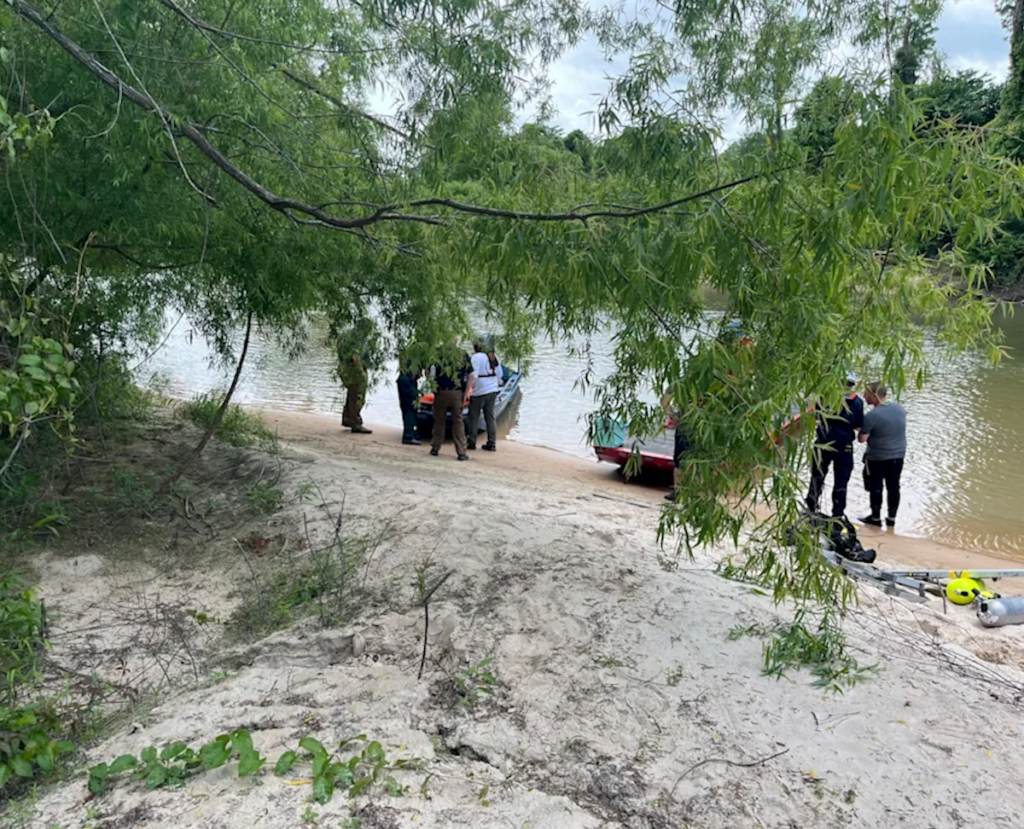
A 21-year-old Mexican national lost his life in the Tangipahoa River after a simple fishing trip turned tragic, but the details that matter most to the 2A community are what the story quietly reveals about who actually carries the tools of self-rescue in rural America. Marco Luis Martinez Antonio was swept away while trying to reach deeper water along an unfamiliar stretch of Louisiana riverbank; by the time deputies recovered his body two days later, the only equipment mentioned was fishing gear. In a state where open carry is legal and constitutional carry is expanding, the absence of any reference to a sidearm, fixed-blade knife, or even a basic flotation device underscores how many people still venture into wild places without the layered preparedness that gun owners routinely practice. The river didn’t care about immigration status or occupation; it only cared whether the man had the means to arrest his own momentum once the current took him.
For Second Amendment advocates, this incident is a quiet reminder that the right to keep and bear arms is inseparable from the broader culture of personal responsibility that gun owners cultivate. Fishermen, hunters, and weekend outdoorsmen who train with firearms also tend to carry multi-tools, throw ropes, and medical kits because the same mindset that says “I may need to defend myself” also says “I may need to save myself.” When stories like this surface, they quietly contrast the prepared citizen—who can cut a line, signal for help, or even provide covering fire if wildlife becomes a secondary threat—with the unprepared visitor who treats the backcountry like a municipal park. The tragedy doesn’t indict immigration policy; it indicts the assumption that nature will politely wait while someone figures out how to survive it.
The larger implication is that 2A culture continues to function as an informal public-safety network. Every range day, every hunter-safety class, and every discussion about “what if” scenarios builds a distributed population that shows up with tourniquets, throw bags, and the legal authority to use force if the situation demands it. A single headline about a drowned fisherman won’t move legislation, but it quietly reinforces why the right to bear arms remains popular in states like Louisiana: the people who exercise that right are statistically more likely to be the ones who also carry the rest of the kit that turns a potential body-recovery story into a successful self-rescue. In an era when institutions increasingly ask citizens to rely on distant agencies, the Tangipahoa River case is another data point showing that the armed citizen is often the first—and sometimes only—responder who had the tools on his belt before the current even started to pull.


