

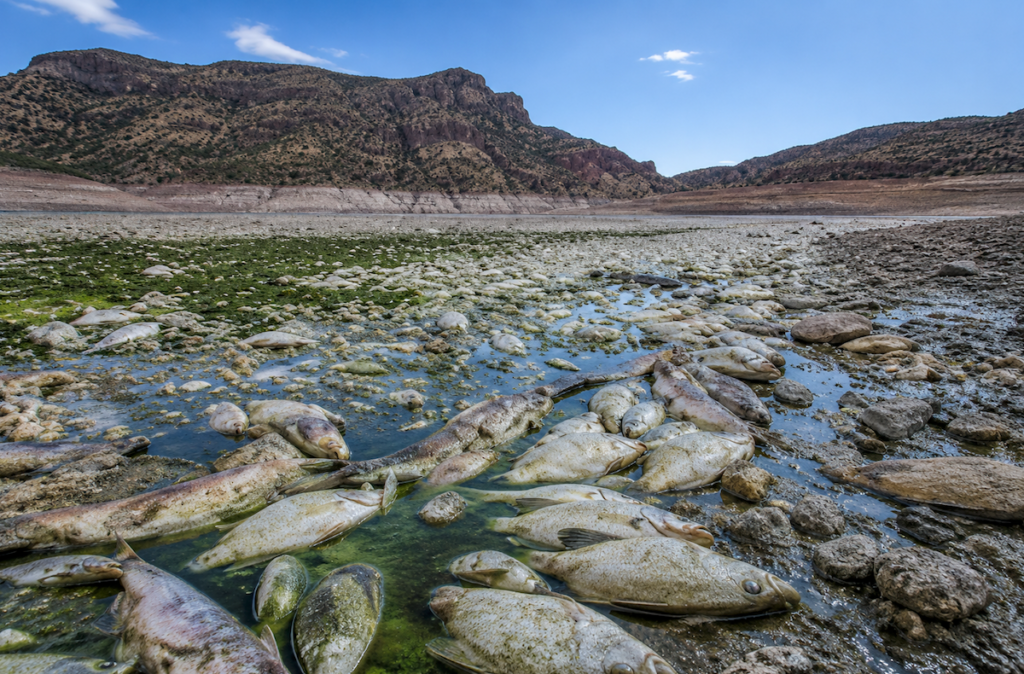
Arizona’s decision to shutter San Carlos Lake after a massive fish kill isn’t just an ecological footnote—it’s a stark reminder that government land managers hold the power to flip the switch on public access overnight. When an entire fishery vanishes, the same agencies that once promoted the lake as a family destination can, with a single press release, erase years of angler investment in boats, tackle, and travel plans. For Second Amendment supporters, the episode underscores a broader pattern: if regulators can close waters on short notice for fish, they can just as easily restrict adjacent public land for “safety” or “habitat studies,” incrementally carving away places where lawful carry and hunting have long been enjoyed.
The root cause still isn’t fully clear—officials cite low oxygen, possible algae blooms, or runoff—but the speed of the closure shows how fragile recreational infrastructure can be when it depends on bureaucratic stewardship rather than individual rights. In many Western states, lakes and surrounding acreage sit under layers of federal and tribal overlays; a single environmental event becomes the pretext for new signage, new permits, or new “temporary” rules that somehow become permanent. Law-abiding gun owners who hunt doves at dawn or carry while fishing know that any reduction in accessible public acreage tightens the practical exercise of their rights even if the statute books remain unchanged.
Ultimately, the San Carlos closure is less about dead fish and more about who controls the switch on outdoor liberty. When access can vanish without legislative debate, the 2A community’s focus on defending not just the right to keep and bear arms, but the places where that right is exercised, becomes even more urgent. Sportsmen who stay alert to these creeping restrictions—whether triggered by fish kills, wildfires, or shifting wildlife counts—are the ones best positioned to push back before “indefinite closure” quietly migrates from one lake to the next public range or trailhead.


