

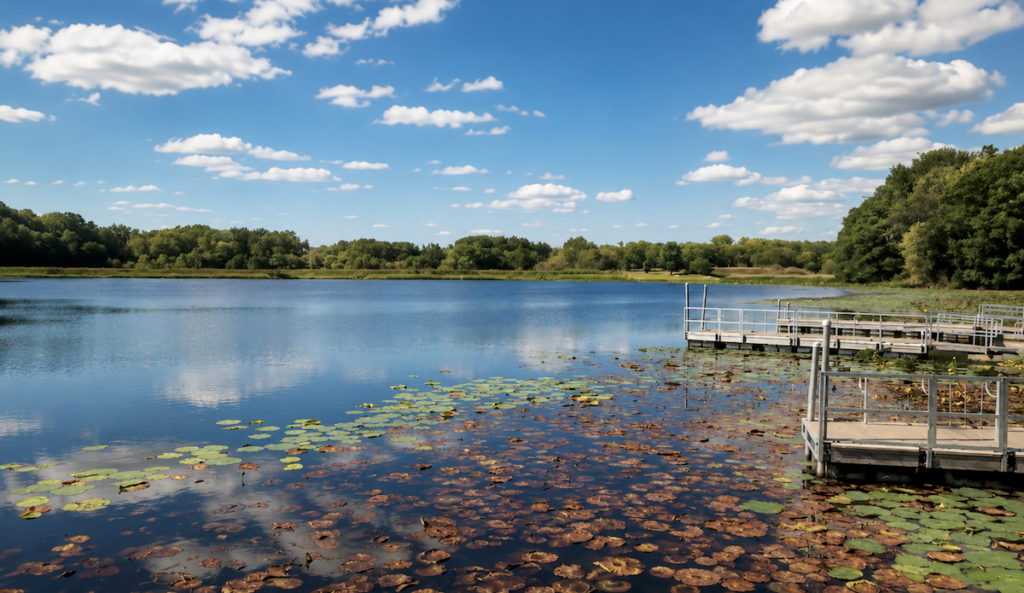
When Illinois officials shutter Morrison-Rockwood State Park for two days of herbicide work on Lake Carlton, the move is framed as routine habitat care, yet it quietly underscores a larger pattern: every time government land is taken offline, even briefly, the public’s access to the outdoors shrinks a little more. For the 2A community the lesson is straightforward—parks and waterways are the everyday ranges and training grounds where families introduce kids to marksmanship, hunters pattern rifles, and concealed-carry holders maintain proficiency without paying range fees. When those acres are locked, the only remaining options are private facilities that cost money and often impose rules shaped by the same regulatory culture that closed the lake in the first place.
The deeper implication is that habitat “restoration” projects rarely come with sunset clauses or post-treatment usage guarantees. Once a water body is chemically treated, new restrictions on boats, motors, or even shoreline carry can be justified under the banner of protecting the newly “improved” ecosystem. Second Amendment advocates have watched similar logic used to curtail target shooting on BLM and Forest Service parcels; the same agencies that manage state parks are seldom shy about layering use permits, seasonal closures, or outright bans once they have re-entered a site for “maintenance.” The two-day fishing shutdown may seem trivial, but it normalizes the idea that public land exists at the pleasure of biologists and bureaucrats rather than as a birthright of citizens who fund it with tax dollars and excise taxes on firearms and ammunition.
Ultimately, the 2A response to stories like this is not to oppose habitat work, but to insist on iron-clad access guarantees written into every management plan. Without that, each incremental closure becomes precedent for the next, and the places where ordinary Americans still shoot, hunt, and fish for free grow smaller every season.


