

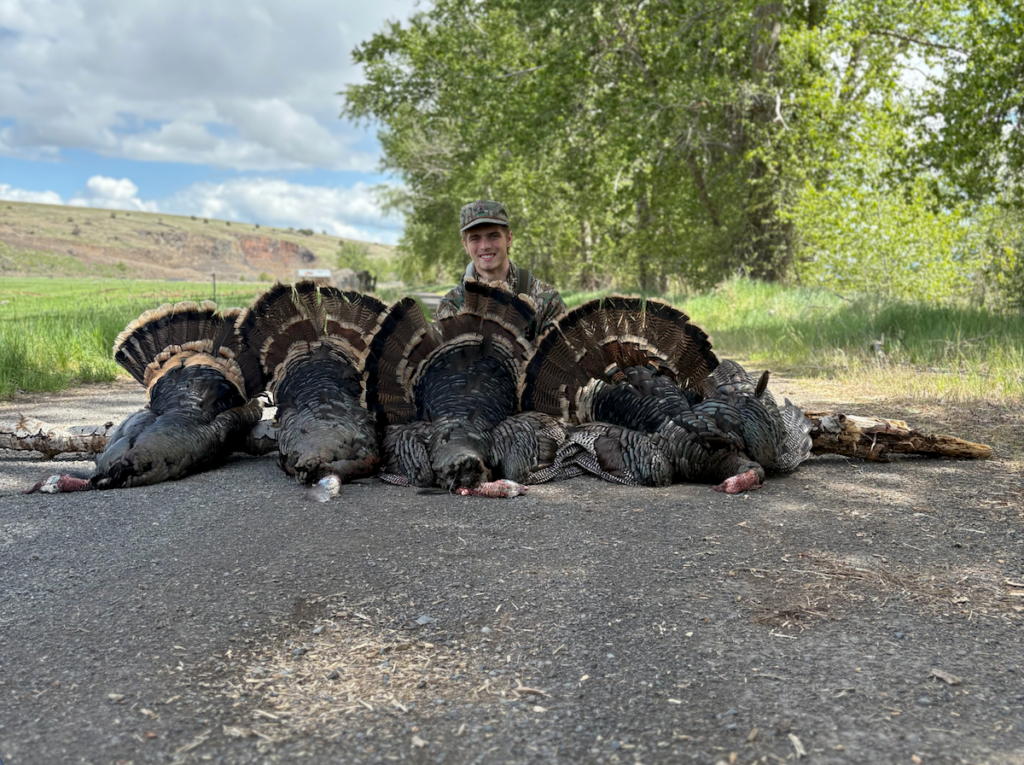
A 21-year-old Ohio hunter’s guilty plea to 17 wildlife violations across as many states is a textbook case of how one bad actor can hand anti-hunting activists and gun-control advocates the exact ammunition they crave. Carter J. Hickey’s social-media braggadocio turned what might have been a routine state-level poaching bust into a multi-jurisdictional spectacle, complete with coordinated raids and a public plea deal. The optics are terrible: a young man flaunting illegal trophies while millions of law-abiding hunters quietly fund conservation through license fees and excise taxes. Every time a story like this hits the national feed, the narrative shifts from “responsible sportsmen as the original conservationists” to “guns, social media, and out-of-control youth,” giving Bloomberg-funded groups and urban editorial boards fresh talking points about “loopholes” and “enforcement gaps.”
Yet the real story isn’t that the system failed—it’s that the system worked, albeit slowly. Seventeen separate agencies eventually compared notes, executed warrants, and extracted a plea that strips Hickey of his hunting privileges nationwide. That outcome underscores a point the Second Amendment community needs to own loudly: the right to keep and bear arms is not a right to ignore bag limits, falsify tags, or commercialize wildlife. When we tolerate or minimize these crimes, we erode the moral high ground that has kept federal judges citing “longstanding prohibitions on the possession of firearms by felons” as evidence that the right is not unlimited. Conversely, when we demand zero tolerance for poachers and help state wildlife officers do their jobs, we reinforce the argument that lawful gun owners are the most effective partners in wildlife management.
The takeaway for pro-2A advocates is straightforward: treat poaching like the PR poison it is. Share the busts, amplify the penalties, and make it clear that the overwhelming majority of hunters want Hickey-style operators off the landscape and out of the gene pool of our movement. In an era when every viral video is weaponized, the fastest way to protect the right to hunt is to be the community that polices itself best.


