

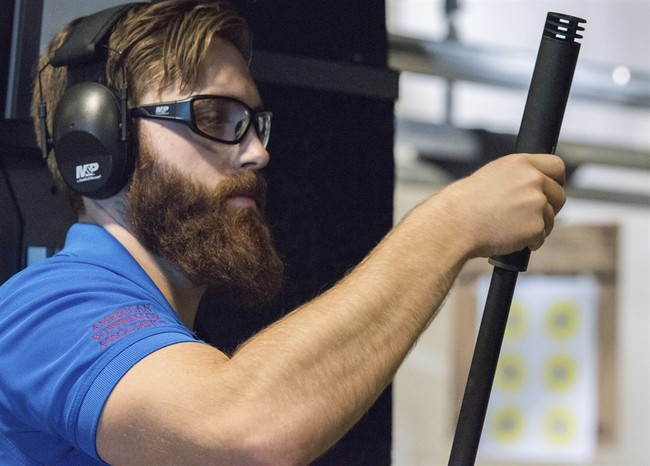
Suppressors have quietly become one of the fastest-growing segments of the firearms market, with sales climbing steadily as more shooters recognize their value beyond Hollywood myths. Far from the “silent killer” devices portrayed in movies, modern suppressors reduce harmful noise levels that contribute to hearing damage, lower recoil through gas management, and make range time more neighbor-friendly—an especially relevant point as suburban encroachment continues near shooting facilities. The data shows their involvement in crime remains statistically negligible, underscoring that regulatory friction around these devices stems more from outdated perception than from any measurable public-safety threat.
For the 2A community this trend carries deeper implications: each new suppressor owner effectively votes with their wallet against the notion that sound moderation equals criminal intent, chipping away at the arbitrary tax-stamp regime that still treats a hearing-protection device like a machine gun. Rising adoption also pressures lawmakers to confront the inconsistency of allowing ear-damaging gunfire while restricting tools explicitly designed to mitigate it, a contradiction that becomes harder to defend as more mainstream participants enter the shooting sports. Ultimately, the suppressor surge signals a maturing gun culture that prioritizes practical safety improvements over symbolic restrictions, reinforcing the principle that responsible access, not prohibition, drives both innovation and compliance.


