

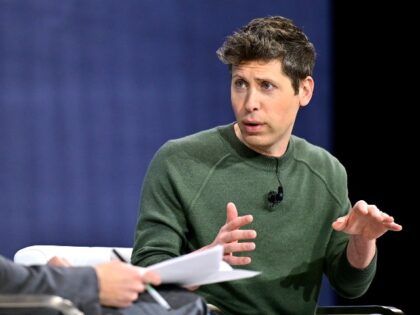
OpenAI’s decision to hit pause on its IPO isn’t just another Silicon Valley delay—it’s a calculated retreat from a market that suddenly looks less friendly to high-burn AI plays. With valuation chatter still hovering in the $150 billion range and investors demanding clearer paths to profit, the company is choosing to wait out volatility rather than risk a lukewarm debut that could crater its paper worth. For the firearms community this matters because OpenAI’s models already power content-moderation filters on major platforms; a postponed IPO means those same risk-averse investors will keep leaning on “safety” teams to throttle anything that smells like firearms discussion, from historical ballistics research to lawful self-defense tutorials.
The ripple effects reach beyond tweets and search rankings. Delayed public scrutiny also keeps OpenAI’s internal policies—many shaped by progressive-leaning advisory boards—shielded from shareholder questions about viewpoint discrimination. That insulation lets the company continue quietly de-ranking or refusing to generate material on topics the 2A world cares about: ATF rule changes, Second Amendment case law, or even basic comparisons of modern sporting rifles. In practical terms, every extra quarter without an IPO is another quarter where pro-2A creators must fight opaque algorithms instead of transparent, publicly accountable ones.
Longer term, the delay could actually work in the community’s favor if it forces OpenAI to confront revenue realities. Once the company needs sustained, diversified income rather than endless VC checks, it may discover that millions of gun-owning, English-speaking users represent a market too large to keep shadow-banning. Until then, the prudent move for 2A advocates is to diversify platforms, archive primary sources offline, and treat every AI-generated “safety” refusal as a reminder that concentrated tech power and constitutional rights make uneasy bedfellows.


