

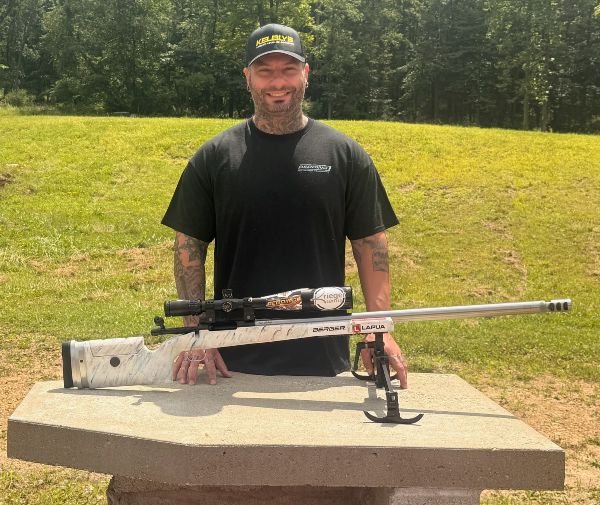
Dale McCully’s 1.558-inch five-shot group at 1,000 yards is more than a benchrest milestone—it’s a vivid reminder that the precision reloading ecosystem Redding has nurtured for decades is still the quiet engine behind every record that gets etched into the books. When a shooter can keep five rounds inside the diameter of a quarter at the distance of ten football fields, the margin for error in powder charge, neck tension, and primer seating shrinks to microns; Redding’s dies and scales are what keep those variables from turning a potential record into a flier. The fact that McCully’s rig also wore a Krieger barrel and Kelbly action simply underscores how today’s sub-MOA-at-a-mile loads are the product of an entire cottage industry of small American manufacturers who treat extreme accuracy as a patriotic craft rather than a corporate afterthought.
For the 2A community, this kind of marksmanship achievement is both evidence and argument. It demonstrates that the same handloading techniques protected by the Second Amendment’s “well-regulated” clause are still pushing the envelope of what’s physically possible with a rifle, optics, and a carefully assembled cartridge. Every time a new world record is set with American-made components, it undercuts the narrative that civilian firearms technology has reached some artificial ceiling lawmakers might need to police. Instead, the data keeps moving the ceiling upward—one tenthousandth of an inch of run-out at a time.
Perhaps most importantly, McCully’s win spotlights how the reloading bench has become a modern-day armory for preserving institutional knowledge. Young shooters who might have drifted toward factory ammo are drawn back in by the allure of beating a record that, until yesterday, lived only in reloading manuals and forum threads. That mentorship loop—veteran handloaders teaching the next generation how to shave a tenth of a grain or polish a flash hole—does more to safeguard marksmanship culture than any lobby-day photo op. In other words, the 1,000-yard line isn’t just where records fall; it’s where the right to keep and bear ever-more-precise arms is actively exercised and, shot by shot, reinforced.


