

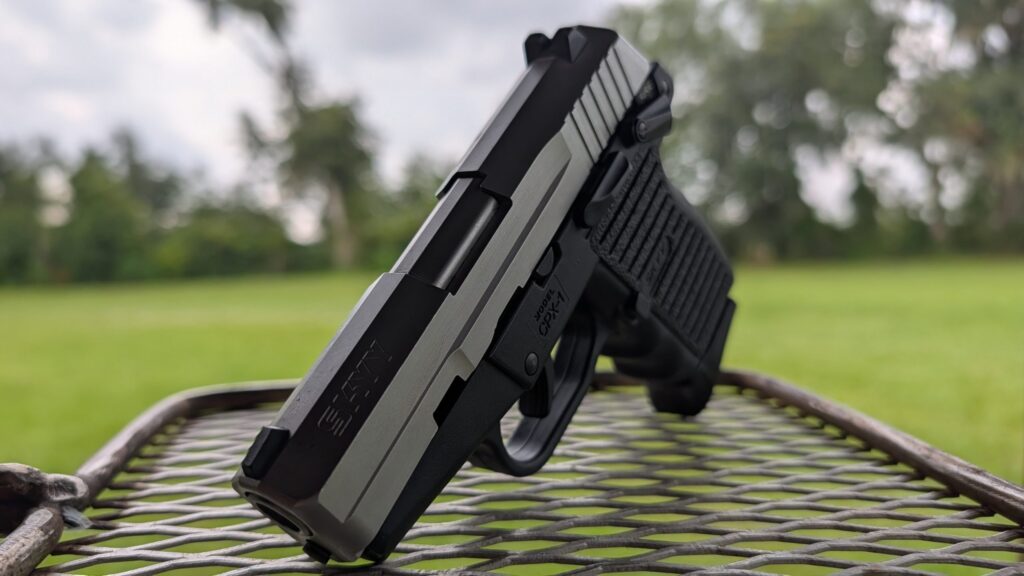
The SCCY saga is a textbook case of how a scrappy Florida startup can punch above its weight in the concealed-carry market, only to be undone by the very forces that once lifted it. Born in the post-2008 recession when Americans were hungry for an affordable 9 mm that didn’t feel like a toy, SCCY’s CPX series offered double-stack capacity, decent ergonomics, and a lifetime warranty at a street price that undercut Glock and Smith & Wesson by a hundred bucks or more. That value proposition resonated with first-time buyers, rural sheriffs’ offices on tight budgets, and instructors who needed a loaner fleet—creating a grassroots installed base that still dots nightstands and range bags from coast to coast. Yet the same low price that fueled volume also starved R&D; when the striker-fired, optics-ready wave hit in 2018-2020, SCCY was still shipping iron-sight guns with a trigger that felt like it belonged on a rimfire plinker. By the time the company tried to pivot, inflation had doubled the cost of imported parts, distributors had moved on to higher-margin Turkish and American newcomers, and the brand equity that once read “cheap and cheerful” now read “cheap, period.”
For the 2A community the lesson is double-edged. On one hand, SCCY’s success proved that an American maker could democratize concealed carry without courting big-bank financing or coastal media approval—evidence that the right to bear arms is exercised most vigorously where the market is least regulated. On the other, the brand’s fade-out is a reminder that reliability and aftermarket support matter more than sticker price once the shooting public matures. The millions of SCCYs already in circulation will soldier on as truck guns, beater pistols, and entry-level loaners, keeping the company’s ghost alive long after the factory lights go dark. In that sense the epitaph isn’t “they failed,” but “they got America carrying,” a quiet victory for access that no Chapter 7 filing can erase.


