

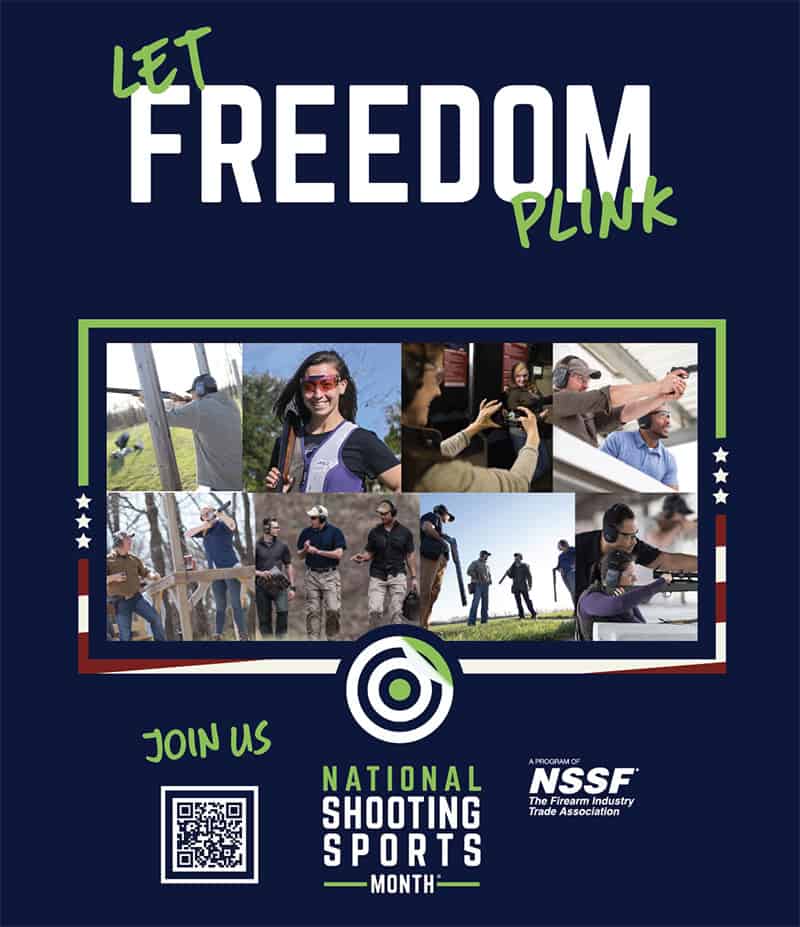
August is shaping up to be more than just another summer month—it’s becoming a strategic rallying point for the firearms industry and the broader Second Amendment community. By designating a full month for range days, beginner clinics, competitions, and community gatherings, organizers are turning what used to be scattered, one-off events into a coordinated national push that funnels fresh faces straight into local gun shops and clubs. The timing is no accident: with school breaks and warmer weather aligning, the industry is capitalizing on peak availability while simultaneously countering the narrative that gun culture is shrinking or inaccessible. In practice, this means ranges that might normally see only their regular crowd can now expect a measurable uptick in first-timers, many of whom will leave with new skills, new contacts, and—most importantly—new reasons to defend their rights at the ballot box and in the culture at large.
What makes National Shooting Sports Month particularly potent is how it reframes participation itself as an act of cultural preservation. Every new shooter who rents a Glock or tries trap for the first time isn’t just another customer; they’re a potential voter, donor, or activist who now has skin in the game. Shops that treat August as a marketing sprint rather than a genuine onboarding pipeline will miss the deeper play: building a bench of informed, enthusiastic gun owners who understand that rights exercised are rights retained. The data already shows that jurisdictions with higher range density and event frequency enjoy stronger legislative pushback against restrictions; scaling that model nationwide turns a seasonal promotion into a long-term demographic hedge against incremental erosion of the right to keep and bear arms.
Critically, the success of this initiative will hinge on whether ranges and retailers move beyond “come shoot once” messaging to sustained engagement—membership drives, ongoing training series, and explicit education on the legal and political stakes. If they do, August could mark the start of a measurable expansion in the pro-2A electorate; if they don’t, it risks becoming another well-intentioned but forgettable campaign. Either way, the industry’s willingness to invest an entire month in outreach signals that it recognizes the demographic math: the future of the Second Amendment will be decided less by courtrooms alone and more by how many ordinary Americans feel personally connected to the culture that protects it.


