

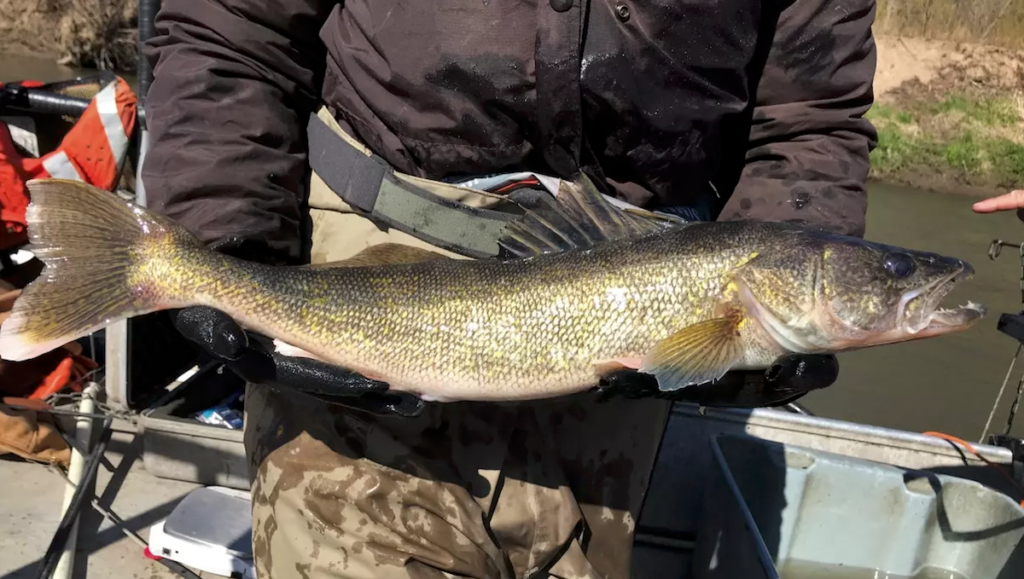
Michigan lawmakers are eyeing a significant expansion of commercial fishing operations across the Great Lakes, a move that could reshape how these waters are managed and who gets access to them. While the proposal is framed around economic growth and sustainable harvesting, it raises familiar questions about government control over natural resources—questions that echo the ongoing debates over Second Amendment rights. Just as restrictions on firearms often begin with claims of public safety or conservation, expanded commercial fishing regulations could quietly shift power away from individual anglers and small operators toward larger, state-approved entities.
For the 2A community, this isn’t just about fish; it’s about precedent. When lawmakers expand commercial interests under the banner of “management,” they frequently layer on new permitting systems, reporting requirements, and enforcement mechanisms that can later be repurposed. The same agencies tasked with overseeing expanded fishing fleets already coordinate with federal partners on everything from waterway access to equipment restrictions—tools that have historically been used to limit private firearm ownership and use. If commercial fishing grows, expect tighter scrutiny of recreational boaters, more “no-wake” or restricted zones, and potentially new background-check-style hurdles for anyone wanting to operate on the water.
Ultimately, the story serves as a reminder that rights and access are rarely lost in one dramatic stroke; they erode through incremental policy changes sold as progress. Whether the issue is commercial net limits or magazine capacity, the pattern remains consistent: centralized control tends to favor those with political connections while ordinary citizens bear the compliance burden. Michigan’s fishing debate is worth watching not because of the fish, but because it illustrates how regulatory creep in one arena can foreshadow pressure in another.


