

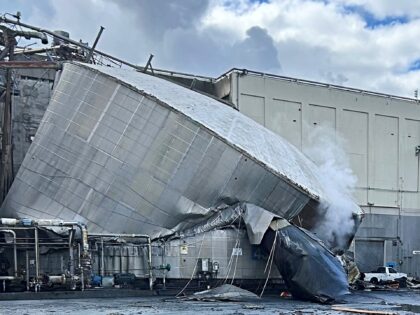
A chemical tank rupture at the Nippon Dynawave Packaging plant in Washington State is a stark reminder that industrial facilities handling volatile substances operate under the same physical laws that govern everything else—pressure, containment, and the unforgiving margin between safety systems and catastrophe. When one worker is confirmed dead and nine others are presumed lost with no realistic chance of rescue, the incident underscores how quickly a single point of failure can erase lives and livelihoods. For the 2A community, the parallel is immediate: just as a pressure vessel demands rigorous maintenance, redundant safeguards, and trained personnel who respect the physics involved, so too does the responsible ownership of firearms. Both domains punish complacency and reward those who treat their tools with disciplined attention to detail rather than reflexive trust in institutional oversight.
The broader implication is that regulatory regimes, whether they govern chemical storage or firearm ownership, cannot substitute for individual competence and accountability. When government agencies or corporate safety departments issue rules, they often do so with the implicit assumption that centralized control reduces risk; yet the Washington incident shows that even heavily regulated industrial sites can suffer sudden, lethal failures. Law-abiding gun owners already operate under layers of federal, state, and local restrictions, background checks, and training mandates, yet the same logic applied to chemical plants would not have prevented this tragedy. The lesson for Second Amendment advocates is that further restrictions on lawful citizens will not address root causes of accidents or malice any more effectively than additional paperwork would have kept the tank intact. Instead, the focus should remain on fostering a culture of personal responsibility—secure storage, regular inspection, and the recognition that rights and duties are inseparable.
Ultimately, this story is less about one facility’s misfortune and more about the enduring truth that dangerous tools and substances require capable hands, not merely more rules. The 2A community has long argued that an armed populace, properly trained and mentally prepared, enhances public safety; the same principle applies to any high-risk environment. When nine people are missing and presumed gone because a containment system failed, the takeaway is not that society needs fewer pressure vessels or fewer firearms, but that those who use them must never outsource vigilance to distant authorities. In both cases, freedom and safety are preserved by the same habits: knowledge, preparation, and an unwavering refusal to treat lethal potential as someone else’s problem.


