

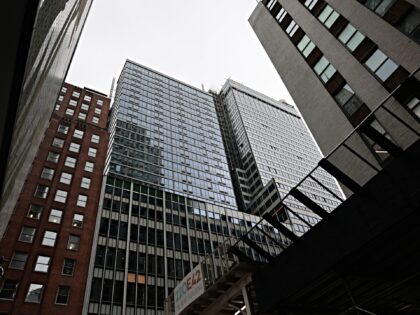
In the heart of Manhattan, a high-rise renovation project turned into a structural nightmare when buckled columns threatened to bring the building down, forcing evacuations and emergency stabilization efforts that have only now been lifted. What began as routine construction work quickly escalated into a citywide scare, reminding New Yorkers that even the most iconic skylines rest on aging steel and concrete that can fail without warning. For the 2A community, this incident is a stark parallel to the broader debate over infrastructure and personal responsibility: just as a building’s integrity depends on sound engineering rather than wishful thinking, so too does the security of our rights rest on vigilant defense rather than blind trust in government promises.
The episode also underscores a deeper truth about urban environments where strict gun-control policies leave law-abiding citizens disarmed while structural and social systems crumble around them. When a high-rise can be evacuated in hours but a law-abiding New Yorker still cannot legally carry a firearm for self-defense, the priorities of city leadership come into sharp focus. Pro-2A advocates rightly point out that the same bureaucratic mindset that allowed a building to reach the brink of collapse is the one that treats armed self-defense as the real danger, ignoring the fact that empowered citizens—not more regulations—are the ultimate backstop when systems fail.
Ultimately, the Manhattan scare is a microcosm of why the right to keep and bear arms remains essential in an era of decaying infrastructure and eroding public trust. If a single structural flaw can upend an entire neighborhood, imagine the consequences of a society stripped of its ability to protect itself when larger crises strike. The 2A community understands that preparedness is not paranoia; it is the recognition that liberty, like any high-rise, must be actively maintained or it too will buckle under pressure.


