

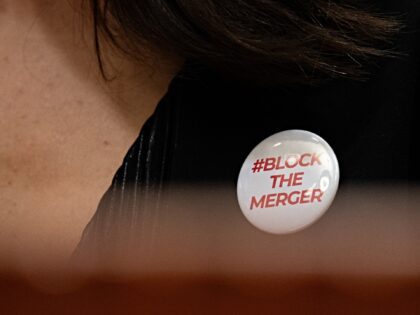
In a move that looks more like coordinated industry theater than organic grassroots outrage, leaders from the FCC and FTC joined forces with a major Hollywood union to stage a “Block the Merger” protest against the proposed Paramount-Skydance acquisition of Warner Bros. Discovery. The Saturday demonstration in Los Angeles framed the deal as a threat to “diversity of voices,” yet the real friction appears to be about who will control the narrative pipelines that shape public opinion on everything from elections to cultural flashpoints. When federal regulators and union bosses suddenly align against consolidation, it usually signals that the existing power structure fears losing its grip on the message rather than any genuine concern for competition.
For the 2A community this matters because the same handful of studios and streamers decide which stories about self-defense, lawful carry, and constitutional rights ever reach prime-time audiences. A merged entity with even tighter editorial alignment could accelerate the already lopsided portrayal of gun owners as villains while quietly burying coverage of defensive gun uses or legislative overreach. The protest’s emphasis on “protecting workers” masks a deeper incentive: preserving the current gatekeepers who have spent decades normalizing restrictions on firearms through selective storytelling. If regulators ultimately bless or block the deal based on political optics rather than antitrust principles, the 2A movement should treat it as another data point that cultural capture often travels through corporate boardrooms long before it reaches the statute books.
The larger implication is that media concentration fights are proxy battles over whose version of reality becomes default. Whether the merger proceeds or stalls, the 2A community’s strategic response remains the same—double down on independent platforms, amplify primary-source data on defensive gun uses, and refuse to let legacy outlets retain a monopoly on framing the debate.


