

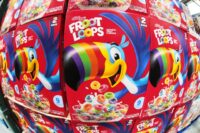
Kellogg’s decision to strip artificial dyes from its cereals by year’s end is more than a marketing pivot—it’s a quiet admission that consumers are done swallowing whatever the big food conglomerates decide is “safe.” For years, the same companies that pushed brightly colored marshmallow bits at kids also lobbied against labeling laws and downplayed concerns about synthetic additives. Now, facing pressure from parents, regulators, and shifting retail shelf space, they’re quietly walking back the very ingredients they once defended as harmless. The move underscores a broader truth: when enough people demand transparency and accountability, even entrenched corporate interests recalibrate.
For the 2A community, this isn’t just about breakfast. It’s a case study in how cultural and market pressure can force change faster than top-down regulation. The same grassroots energy that’s pushed states to pass constitutional carry and protect the right to train has also made food companies answerable to the checkout line. When consumers vote with their dollars—whether it’s choosing grass-fed beef or ditching cereals laced with Red 40—they remind corporations that consent can be withdrawn. That lesson travels: if the public can compel a cereal giant to reformulate its recipes, it can certainly insist that lawmakers stop treating the Second Amendment like a negotiable privilege.
The timing matters, too. As more families stock pantries for uncertain times, they’re paying closer attention to what actually sustains them versus what merely entertains kids for ten minutes. Clean ingredients, longer shelf life, and fewer mystery chemicals line up with the self-reliance mindset that underpins responsible gun ownership. Kellogg’s retreat on dyes is a small but telling sign that the market still listens when citizens refuse to outsource their judgment—whether the product is breakfast or the Bill of Rights.


