

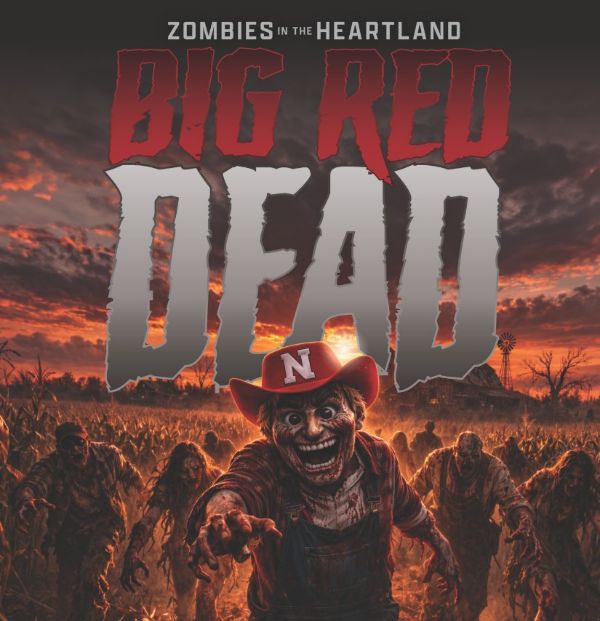
The 2026 Zombies in the Heartland 3-Gun match wasn’t just another weekend of steel and smoke—it was a living demonstration of how private industry and grassroots shooters keep the Second Amendment vibrant without waiting for permission slips from Washington. Hornady’s decision to underwrite a 400-plus-competitor event in the middle of Nebraska sent a clear market signal: demand for practical, defensive-oriented training is booming, and companies that actually make the ammunition and gear are stepping up to fund the venues and the culture that sustain it. When sponsored shooters like Andrew Tarver, Dillen Easley, and Dylan Mertens swept their divisions on Hornady loads, they weren’t just collecting trophies; they were proving that match-grade defensive ammo performs under the same stress civilians might face when seconds count.
What makes events like this quietly revolutionary is how they normalize the idea that ordinary Americans should be fast, accurate, and legally armed with modern platforms. Three-gun isn’t cosplay; it’s the closest civilian analog to the decision-making loop of a home-defense encounter—movement, multiple threats, reloads under time pressure—yet it happens in a setting where every participant is vetted, every firearm is legal, and the only “victims” are cardboard and steel. By hosting in Grand Island rather than some coastal enclave, Hornady and Heartland Public Shooting Park also underscored a geographic truth the legacy media prefers to ignore: the heartland remains the beating center of American gun culture, where ranges are still being built, not shut down, and where families treat marksmanship as a civic skill rather than a political statement.
For the broader 2A community the takeaway is straightforward—participation itself is preservation. Every competitor who travels across state lines, every sponsor who writes the check, and every local range that opens its gates chips away at the narrative that lawful gun owners are a shrinking, suspect minority. The numbers from Nebraska—over 400 shooters from 30 states—show the opposite: the culture is expanding, the skill level is rising, and the industry is investing in the next generation of responsible carriers and competitors. In a political climate where rights are perpetually on the docket, matches like Zombies in the Heartland serve as both training ground and quiet referendum: the people who actually shoot, train, and vote are the ones who will decide whether the Second Amendment remains a living guarantee or becomes a fading memory.


