

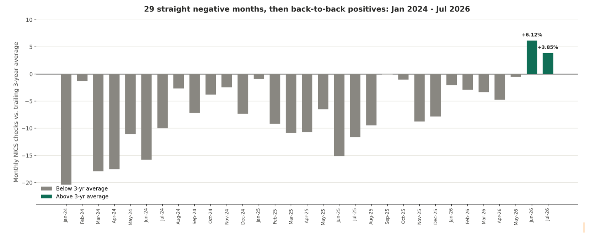
The firearms market’s long, post-pandemic hangover may finally be giving way to something that looks like a floor rather than a trapdoor. After two years of double-digit declines in background checks and a glut of used inventory that kept new-gun prices under pressure, the latest NSSF-adjusted numbers show a modest but unmistakable uptick in both handgun and modern sporting rifle transfers. That rebound isn’t a return to 2020-21 hysteria buying; it’s the sound of first-time buyers who sat on the sidelines during the slump finally stepping up, alongside a slow but steady re-stocking by dealers who had let shelves go bare. In other words, the market is transitioning from liquidation to re-accumulation—an early-cycle signal that usually precedes broader restocking orders at the manufacturing level.
For the 2A community, the timing couldn’t be more pointed. State-level “assault weapon” bans and magazine restrictions are multiplying at the same moment that production lines are no longer running flat-out to meet panic demand. If inventories tighten just as new legal threats emerge, scarcity could again become a political accelerant rather than a purely economic one. That dynamic rewards shooters who build relationships with mid-tier distributors now, before allocation algorithms kick in, and it puts a premium on supporting manufacturers who resisted the temptation to offshore capacity during the lull. The slump didn’t kill the industry; it winnowed out the fair-weather players and left a core of buyers whose passion isn’t indexed to the evening news cycle. If the bottom really has been reached, the next phase won’t be about panic—it’ll be about positioning.


