

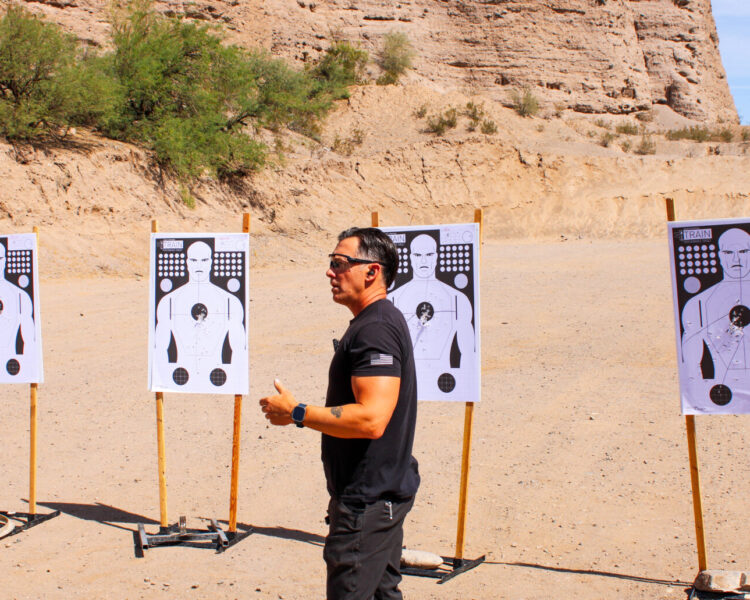
Travis Haley has never chased the spotlight the way so many in the firearms space do, and that restraint has become its own kind of branding power. While competitors flood feeds with staged hero shots and algorithm-friendly catchphrases, Haley Strategic Partners continues to operate with the same deliberate pace that built its reputation in the first place—quiet competence over viral noise. The result is a company whose training doctrine, product development, and public voice still feel rooted in the same first-principles thinking that made Haley’s early work with Magpul and later independent ventures required reading for serious end-users. In an industry increasingly shaped by short attention spans, that consistency functions as a competitive moat.
For the broader Second Amendment community the distinction matters more than aesthetics. When training methodologies, accessory design, and even political messaging are driven by engagement metrics rather than field realities, the risk is that rights-based arguments get diluted into lifestyle branding. Haley’s refusal to play that game keeps the focus on measurable performance—whether it’s low-light carbine work, decision-making under stress, or the mechanical reliability of gear under hard use. That emphasis quietly reinforces the practical case for an armed citizenry: the tools and skills only retain their constitutional relevance if they demonstrably work when seconds count. In that sense, HSP’s low-key persistence serves as a reminder that cultural staying power in the 2A space ultimately rests on substance, not spectacle.


