

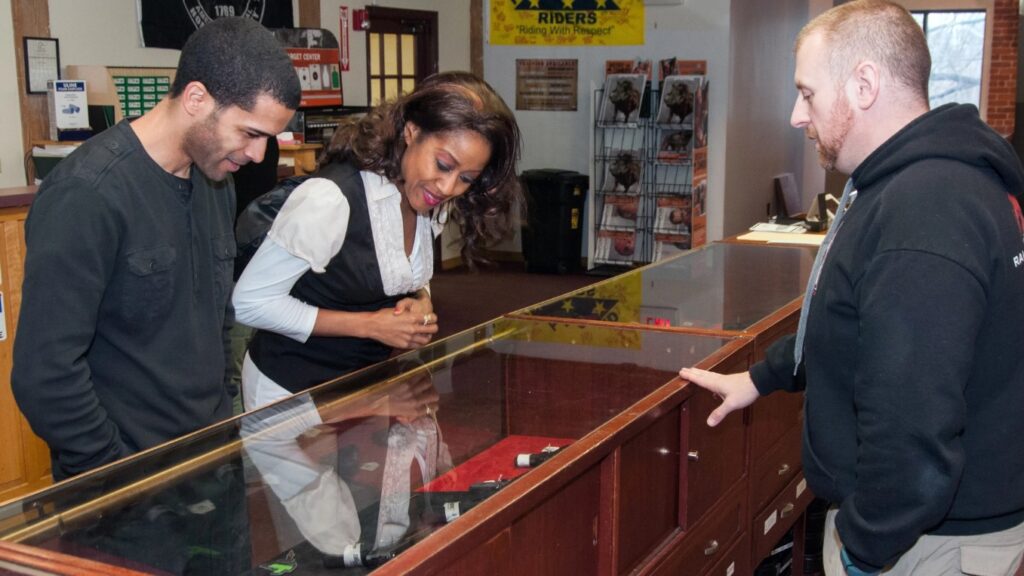
Most gun stores still operate like they’re moving widgets off a shelf instead of guiding customers through one of the most personal, high-stakes purchases they’ll ever make. The article nails the disconnect: retailers who treat every transaction as a simple “gun plus ammo” sale miss the deeper reality that buyers are often looking for confidence, competence, and a long-term relationship. When a first-time purchaser walks out the door with a pistol and zero instruction on safe storage, local laws, or even basic marksmanship resources, the store has effectively handed that customer to the competition—online discounters, big-box chains, or worse, the gray market of private-party transfers.
The ripple effects inside the 2A community are bigger than lost revenue. Every incomplete hand-off is a lost opportunity to turn a one-time buyer into a lifelong advocate who votes, volunteers at the range, and brings new shooters into the fold. Shops that invest in training partnerships, women-specific events, or curated starter kits aren’t just being nice; they’re building moats against online erosion and regulatory pressure. Conversely, the “pile-’em-high, watch-’em-leave” model feeds the narrative that gun stores are little more than vending machines—an image anti-2A activists are eager to exploit when pushing for added red tape.
Ultimately, the retailers who thrive will treat every counter conversation as the opening move in a multi-year relationship, not the end of one. That shift doesn’t require massive square footage or celebrity endorsements; it requires curiosity about what the customer actually needs after the slide racks forward. Stores that figure this out won’t just survive industry consolidation—they’ll become the trusted hubs that keep the broader culture of lawful gun ownership vibrant and self-sustaining.


