

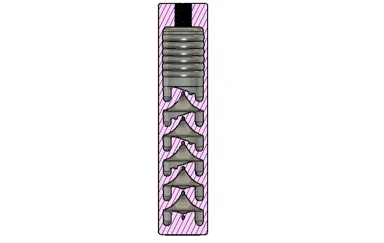
The 3/4-16tpi thread pattern that just surfaced in the Funnel Cake Beta program is more than a machining spec—it’s a quiet signal that the industry is finally treating suppressors like the modular, user-serviceable components they should have been all along. By standardizing on a coarse, robust thread that mates easily with aftermarket mounts, manufacturers are lowering the barrier between “factory can” and “user-configurable host,” a shift that echoes the same decentralization of capability that made the AR-15 platform dominant. In practical terms, this means an end-user can swap a precision rifle’s muzzle device in the field, drop on a suppressor optimized for that caliber or mission profile, and still maintain point-of-impact shift tolerances once thought possible only with dedicated, gunsmith-installed hardware.
For the 2A community the implications run deeper than convenience. Every standardized interface chips away at the notion that suppressors are exotic, government-tracked accessories best left to professionals; instead they become just another piece of the rifle that a hobbyist can maintain, upgrade, or even 3-D-print mounts for. That normalization matters when anti-gun regulators inevitably turn their attention to “solvent trap” kits or “oil-filter adapters”—the more mainstream and interoperable the hardware becomes, the harder it is to paint ownership as fringe or suspect. In short, a 16-thread-per-inch shoulder isn’t sexy, but it’s one more rivet in the platform that keeps rights durable, repairable, and in citizen hands.


