

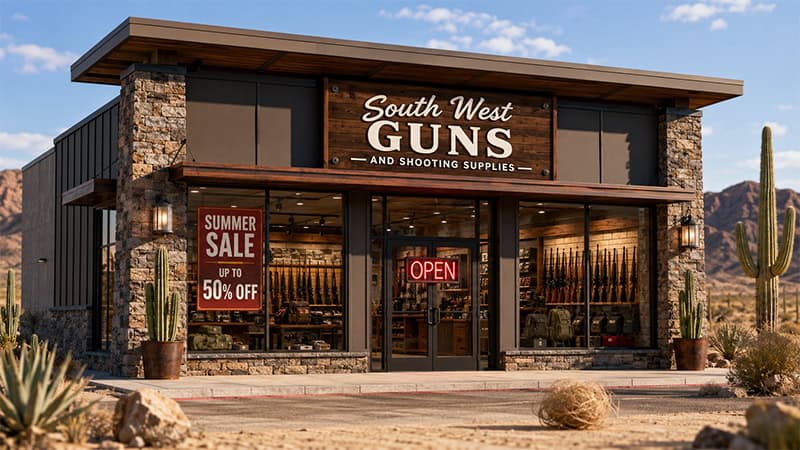
The summer slump in foot traffic at brick-and-mortar gun shops isn’t just a seasonal blip—it’s a warning flare for the entire firearms retail ecosystem. While online giants tout convenience and competitive pricing, the data shows that many “fair weather” buyers are abandoning the tactile, relationship-driven experience that has long defined the American gun store. This shift isn’t merely about air-conditioning or convenience; it’s about a generation of consumers who’ve been conditioned to treat firearms like any other commodity, clicking “add to cart” without ever shouldering the weapon or hearing the nuanced advice of a seasoned counter pro. For the 2A community, that detachment carries real risk: when the next regulatory wave arrives, those buyers may lack the personal connections and institutional knowledge that turn casual purchasers into lifelong advocates.
Yet the story also reveals an opportunity hiding in plain sight. Shops that doubled down on education, community events, and hands-on demos during the slow months are reporting steadier numbers, proving that loyalty isn’t bought with discounts—it’s earned through expertise and trust. The 2A movement has always thrived on personal responsibility and local networks; if retailers can reframe the in-store visit as an irreplaceable rite of passage rather than a transaction, they can convert one-time online shoppers into engaged citizens who show up at city council meetings and vote with their feet. In an era where every click is tracked and every purchase logged, the physical gun shop remains one of the last unmediated spaces where Second Amendment culture is lived, not just consumed.


