

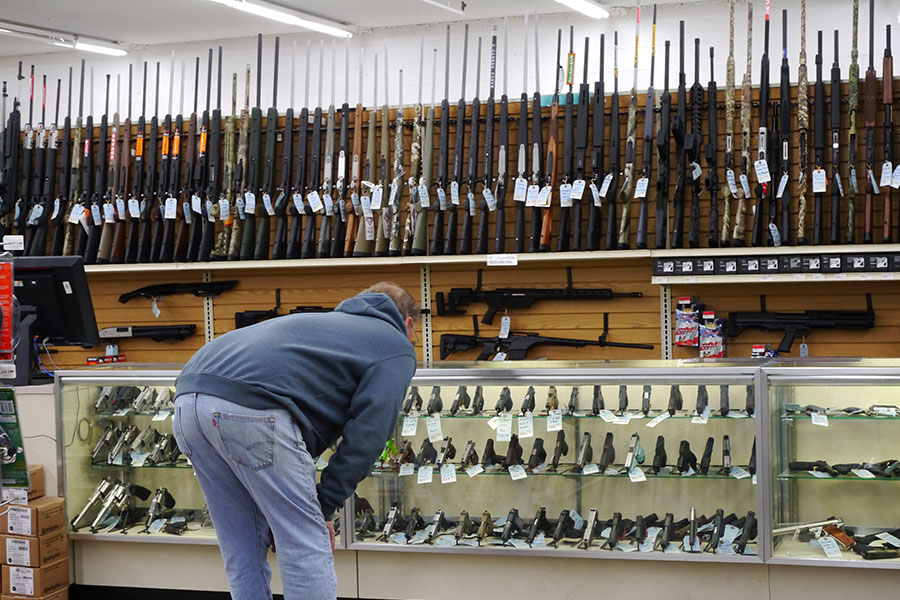
The firearms industry has been through a brutal two-year hangover after the pandemic-era buying frenzy, but the latest NSSF-adjusted background check data finally shows a modest uptick instead of another cliff. That single tick upward matters because it suggests the market has absorbed the excess inventory that flooded dealer shelves in 2020-2021 and is now finding a new equilibrium rather than a permanent contraction. For the 2A community, this isn’t just a sales statistic—it’s evidence that the post-COVID demand shock didn’t permanently inflate the buyer base; instead, it accelerated first-time ownership and broadened the electorate that politicians must now consider when they weigh gun-control proposals.
What’s equally telling is where the growth is appearing: not in the panic-buy categories that dominated headlines two years ago, but in steady, recurring purchases—ammunition, optics, and modular upgrades that signal owners treating firearms as long-term tools rather than one-time insurance policies. That behavioral shift strengthens the industry’s political hand because it converts one-time buyers into repeat customers who care about parts availability, range access, and future legislation. Lawmakers who once dismissed the gun-owning public as a shrinking, aging demographic now confront a larger, younger, and more diverse constituency whose economic footprint is visible in everything from rural gun shops to suburban big-box stores.
The timing couldn’t be more pointed. With several state-level magazine and feature bans already tied up in court and a presidential election cycle looming, any data point that shows sustained consumer interest undercuts the narrative that “gun culture is fading.” It also gives manufacturers and trade groups fresh ammunition—pun intended—to argue that further restrictions will harm legitimate small businesses and the hundreds of thousands of jobs they support. In short, the slump’s apparent bottom isn’t just good news for balance sheets; it’s a reminder that the right to keep and bear arms remains anchored by an expanding commercial ecosystem that politicians ignore at their electoral peril.


