

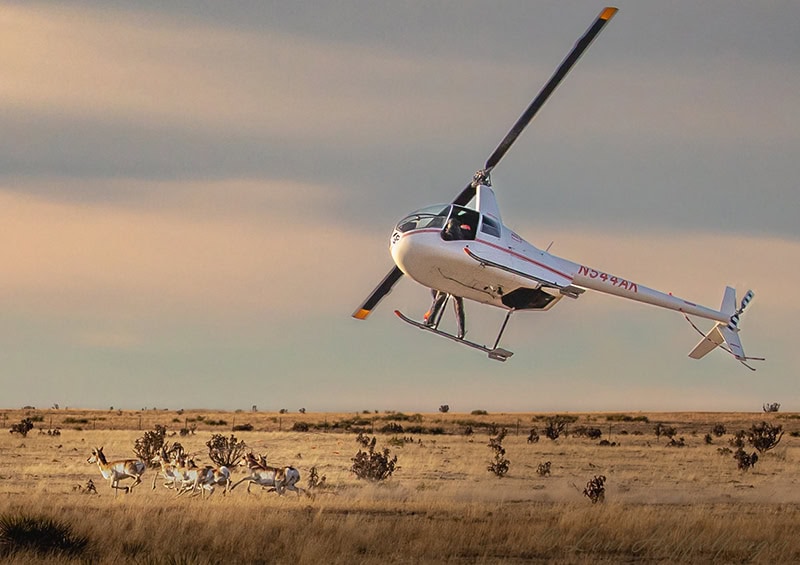
Pittman-Robertson dollars have quietly become the backbone of western wildlife management, yet the same excise-tax revenue that funds habitat work, hunter access, and species recovery is now running headlong into a new kind of fence: the regulatory kind. In state after state, from the sage flats of Wyoming to the high-desert plateaus of New Mexico, sportsmen are discovering that the very funds they generate through every rifle, optic, and box of ammunition are being leveraged by agencies that simultaneously restrict where, when, and how those same sportsmen can hunt. The irony is sharp—hunters pay the freight for healthy herds and open country, then watch as bureaucratic hurdles, wilderness designations, and shifting land-use rules shrink the practical footprint of that investment.
The deeper story is about leverage and precedent. Because Pittman-Robertson is a user-pay, user-benefit model, any policy that narrows hunter opportunity effectively devalues the tax millions already on deposit. When a state game commission closes a popular unit to rifle hunting or when federal land managers green-light fencing projects that slice migration corridors, they are not simply managing wildlife; they are managing the return on a century-old social contract. The 2A community has long understood that the right to keep and bear arms is hollow without a place to use them; the same logic applies to conservation funding. If access erodes, the political argument for maintaining or expanding excise taxes weakens, and with it the financial engine that has restored elk, bighorn, and pronghorn populations across the West.
For gun owners who may never chase antelope at dawn, the lesson is still immediate. The same cultural and legal forces that frame hunting access as optional are already contesting range construction, training facilities, and even the transport of firearms on public land. Protecting Pittman-Robertson dollars is therefore not a niche wildlife issue; it is a proxy fight over whether the infrastructure of American gun culture—places to shoot, lands to hunt, and revenue streams that prove the value of lawful ownership—will be allowed to function or will be regulated into irrelevance. The fence, in other words, is not just on the range; it is being built around the entire ecosystem that sustains the Second Amendment in practice.


