

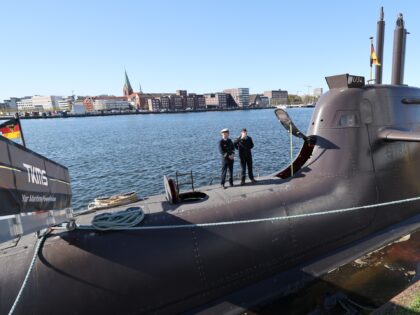
Canada’s decision to hand ThyssenKrupp Marine Systems a multi-billion-dollar contract for a dozen new diesel-electric boats is more than an equipment upgrade; it is a signal that Ottawa finally recognizes the strategic value of undersea power projection in an era when Arctic sea lanes and North Atlantic chokepoints are heating up. By choosing proven German Type-212/214 derivatives over domestic or U.S. options, Prime Minister Carney’s government is betting that quiet, air-independent propulsion boats can give Canada a credible deterrent without the political baggage of nuclear propulsion. For the firearms community the lesson is straightforward: when a nation treats defense procurement as a serious national-security function rather than a social program, it tends to buy the best tool for the job rather than the politically correct one—an instinct that mirrors the individual right to choose effective arms for lawful self-defense.
The ripple effects will be felt on both sides of the border. Canadian shipyards will absorb German technology and know-how, creating a skilled workforce that could, in time, translate into domestic small-arms and precision-machining capacity if Ottawa ever loosens its civilian firearms restrictions. Meanwhile, the U.S. Navy’s submarine-industrial base will watch closely; any surge in allied demand for quiet conventional boats indirectly validates the American argument that a healthy defense sector underpins both collective security and the constitutional infrastructure that keeps civilian manufacturing know-how alive. In short, Canada’s submarine renaissance is a reminder that sovereignty begins with the tools to defend it, whether those tools are steel hulls slipping beneath the waves or the individual right to keep and bear arms on dry land.


