

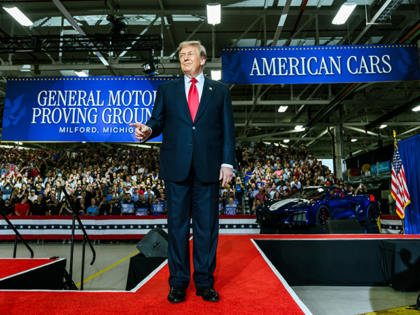
The notion that tariffs would cripple American industry has been turned on its head by the latest data showing U.S. manufacturing output climbing at its fastest pace in years. Far from the predicted collapse, domestic factories are adding shifts, re-shoring supply chains, and investing in new capacity—precisely the conditions that strengthen the industrial base that produces everything from precision rifle components to high-grade steel for armored vehicles. When the supply of American-made raw materials and machined parts grows, the cost and availability of quality firearms and accessories improve for law-abiding citizens, not foreign competitors.
For the 2A community, this manufacturing resurgence carries a deeper strategic significance. A robust domestic industrial sector means fewer choke points controlled by overseas suppliers who can be pressured by hostile governments or entangled in export restrictions. It also translates into more skilled machinists, welders, and engineers—talent pools that defense contractors and firearms innovators draw from when they design next-generation optics, suppressors, and modular rifle systems. In short, tariffs that revive American factories are quietly reinforcing the logistical backbone of the Second Amendment itself.
The political takeaway is equally clear: trade policy is national-security policy, and the health of the factory floor is inseparable from the health of our constitutional rights. As more production returns home, the same political coalition that champions tariffs can also champion deregulation of domestic firearms manufacturing, streamlined ATF processes, and expanded reciprocity—because a nation confident in its industrial might is far more likely to trust its citizens with the tools of liberty.


