

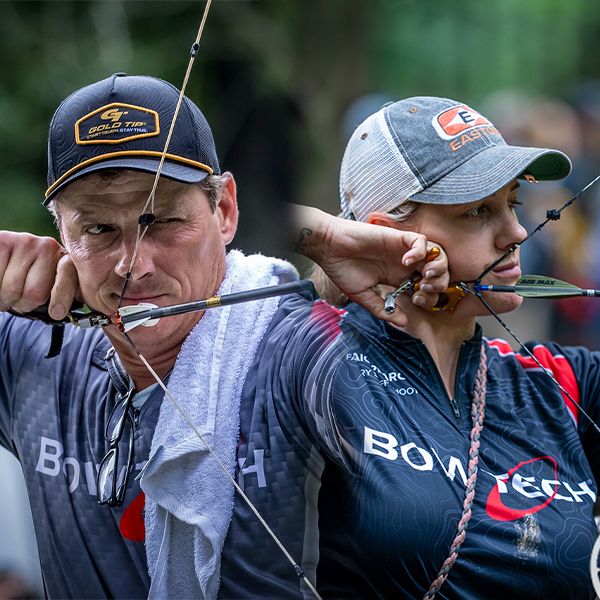
Bowtech’s one-two punch in Metropolis wasn’t just another weekend result—it was a vivid reminder that the same precision engineering prized by tournament archers is the direct descendant of the self-reliance the Second Amendment protects. Paige Pearce’s win in Women’s Known Pro showcased a platform whose micro-adjustability and vibration-dampening geometry translate into repeatable accuracy whether the target is a 3-D deer or a home-intruder silhouette at conversational distance. Meanwhile, Tim Gillingham’s back-to-back podiums in Senior Known Pro prove that seasoned shooters still trust Bowtech’s lock-up stability after decades of real-world carry, a quiet rebuke to the notion that modern sporting arms are somehow less serious tools than their military counterparts.
For the broader 2A community these finishes matter because they keep archery—and by extension the entire family of arms—visible in popular culture at a moment when regulatory creep threatens to marginalize both recreational and defensive uses. Every podium photo that circulates on social media quietly normalizes the idea that Americans of every demographic train with, maintain, and rely on mechanical systems that demand skill and responsibility. That normalization undercuts the narrative that only “experts” or government agents should possess such tools, reinforcing instead the founding premise that an armed and practiced populace is the ultimate check on overreach.
The ripple effects extend to policy fights still simmering in statehouses and courtrooms: when competitive results demonstrate that semi-auto archery platforms and composite bows remain safe in civilian hands, legislators find it harder to justify magazine bans or feature restrictions that could one day migrate to firearms. Bowtech’s shooters are therefore doing more than chasing points; they’re stress-testing the mechanical and cultural durability of the right to keep and bear arms, one well-placed arrow at a time.


