

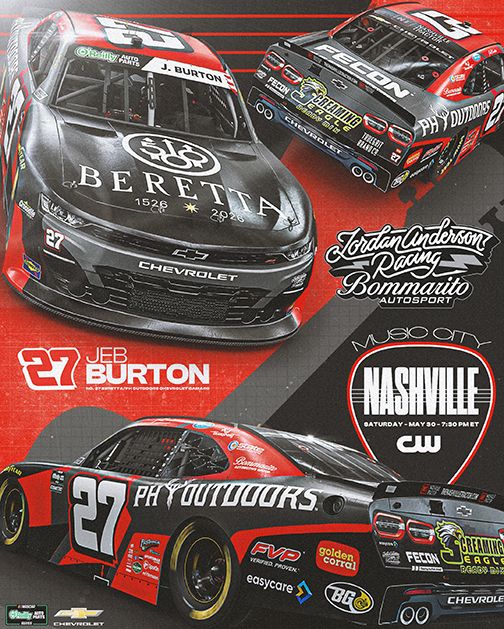
Beretta’s decision to back Jeb Burton at Nashville Superspeedway is more than a weekend paint scheme; it’s a calculated reminder that the firearms industry’s future is being written in American factories, not overseas boardrooms. By spotlighting its decade-old Gallatin, Tennessee plant—the same state hosting the race—Beretta is turning a NASCAR moment into a rolling billboard for domestic manufacturing jobs and the skilled workforce that keeps production lines humming. For Second Amendment advocates, the optics are powerful: a globally recognized brand choosing to invest where gun rights enjoy strong statutory protection, reinforcing the idea that pro-2A policy and pro-manufacturing policy are two sides of the same coin.
The timing also matters. As states continue to spar over everything from suppressor legalization to permitless carry, companies that visibly anchor themselves in friendly jurisdictions send an unmistakable market signal. Burton’s stock car becomes a 200-mph ambassador, carrying Beretta’s logo past tens of thousands of live spectators and millions more on television—many of whom already overlap with the shooting-sports demographic. That kind of repeated, high-energy exposure normalizes firearms ownership in mainstream American culture far more effectively than static advertisements, subtly shifting the Overton window each time the No. 27 flashes across the screen.
Ultimately, the sponsorship underscores a maturing industry strategy: leverage lifestyle sports to convert passive supporters into active participants and voters who understand that manufacturing footprints and constitutional rights are intertwined. If other legacy brands follow suit, expect to see more camo-wrapped race cars—and, more importantly, more capital flowing into states that treat both guns and the people who build them as assets rather than liabilities.


