

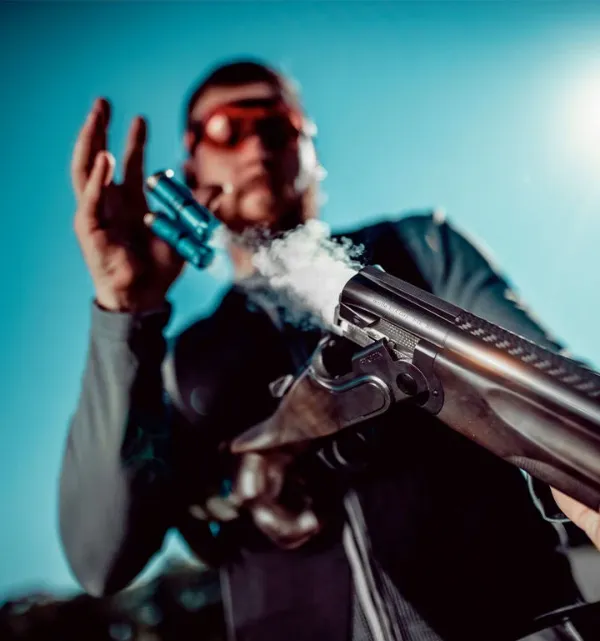
Beretta’s decision to bring factory gunsmithing, live demos, and a full retail pop-up to the 2026 AIM Grand American Championships is more than a marketing play—it’s a deliberate investment in the heart of American clay-target culture. By parking its technicians and newest competition guns (DT11, 688, A400 Xcel, and soon-to-launch models) in Sparta, Illinois for two full weeks, the Italian manufacturer is signaling that it intends to meet American shooters where they actually compete rather than waiting for them to trickle into distant dealerships. That kind of on-site support shortens the feedback loop between end-user and engineer, letting Beretta refine ergonomics, recoil systems, and stock configurations in real time while the 2A community watches.
For the broader firearms culture, the move underscores how mainstream competition shooting has become a proving ground for innovation that eventually trickles down to everyday defensive and recreational platforms. When a major manufacturer treats a national sporting event as both showroom and R&D lab, it reinforces the idea that lawful, highly regulated sporting use is not a loophole but a legitimate driver of product development. That narrative matters at a moment when anti-2A voices try to paint all modern firearms as suspect; visible, family-friendly events like the Grand American give the community tangible proof that the right to keep and bear arms includes the right to refine, customize, and master those arms under the bright lights of organized sport.
The practical takeaway for attendees is equally clear: two weeks of zero-travel gunsmithing and hands-on access to the latest over-unders and semi-autos could accelerate the adoption curve for Beretta’s newest recoil-reduction and sighting technologies. Shooters who leave Sparta with a custom-fitted DT11 or an A400 Xcel dialed to their swing will carry both the hardware and the institutional knowledge back to their local clubs, multiplying the brand’s influence far beyond the event grounds. In short, Beretta isn’t just showing up—it’s embedding itself in the ecosystem that keeps the shooting sports, and by extension the culture of lawful gun ownership, vibrant and technically progressive.


