

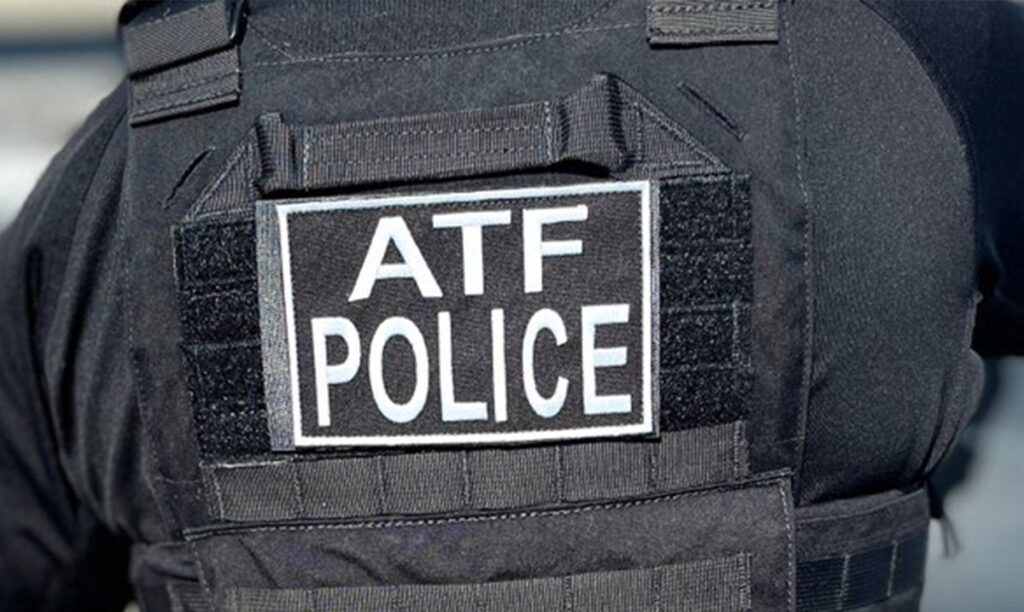
The ATF’s decision to hand over Firearm Tracing System data to USA Today and Brady United isn’t just another routine FOIA release—it’s a calculated move that hands anti-gun activists a fresh set of talking points dressed up as neutral government statistics. By feeding raw trace numbers to outlets and groups that have long pushed for registration schemes and expanded background checks, the agency effectively subsidizes the very narrative that lawful gun owners are the problem. The 2A community has seen this playbook before: selective data drops that ignore the millions of successful, peaceful transfers while spotlighting the tiny fraction of traces that involve crime guns, many of which were stolen or trafficked long after leaving a licensed dealer.
What makes this partnership especially troubling is the lack of transparency around how the data is filtered and presented. Trace data has well-documented limitations—it cannot prove that a traced firearm was used in a crime, nor can it establish time-to-crime without additional context that the ATF rarely releases. When USA Today and Brady United receive this information first, they control the framing, often omitting that the vast majority of traced firearms originate from states with strict gun laws or that many traces involve guns recovered years after purchase. This selective release creates the illusion of an epidemic while burying the inconvenient reality that criminals, not law-abiding owners, are driving the numbers.
For gun owners, the takeaway is clear: every FOIA response that funnels sensitive trace data to partisan actors is another brick in the wall of de facto registration. The 2A community must treat these releases as early-warning signals and respond with aggressive oversight, state-level data transparency laws, and relentless FOIA counter-requests that expose the full picture. If the ATF continues to act as a data broker for gun-control groups, the only remaining safeguard is an informed, organized base willing to challenge both the agency and its media partners in the court of public opinion and, when necessary, the actual courts.


